Advertisements
Proper planning keeps international travel safe and smooth. Travelers verify their itinerary and transport details well before leaving. This reduces stress and saves time at the last moment.
They create a clear list of documents and check visa times and processing days. Understanding security rules in a foreign country helps them manage the overall experience.
A compact guide acts as a practical map for complex trips. Attention to the type of activities and local places improves comfort and enjoyment. For example, confirming the status of the plane and destination avoids surprises.
In short, organizing the trip this way ensures travelers are ready for any situation in the world. Good planning gives peace of mind from the first moment to the last.
Essential Steps for Your Pre-Trip Preparation
Allocating time to compare accommodation and plan activities can save money and smooth the overall experience.
They should set a clear budget and review room prices on reputable booking platforms. Booking hotels early often secures lower rates and better availability for busy days.
A concise list of daily plans helps manage the time at each destination. Searching off-season deals can reduce costs and make the agenda less rushed.
- Compare lodging options across trusted sites.
- Lock in essential reservations several weeks in advance.
- Prioritize activities to make the most of each moment.
“A simple checklist and early bookings can be the difference between stress and a smooth trip.”
Managing Documentation and Legal Requirements
A careful review of passports, visas, and health documents saves time and stress abroad. Travelers should confirm all legal items well before travel. This avoids surprises at the border and supports smooth entry into the country destination.
Passport Validity
Most countries require a passport valid at least six months beyond the planned return date. Travelers must check expiration dates and renew early when needed. Keeping a physical and a digital copy of the passport reduces risk in case of loss.
Visa and Entry Requirements
Their documents should include any visa, proof of accommodation, and vaccination records. Some countries ask for specific vaccines, such as proof against Yellow fever, before granting entry. For accurate information, consult the embassy or an official government site for the destination country.
- Plan entry requirements at least six months in advance.
- Store scanned copies of passport, visa, and itinerary in a secure cloud folder.
- Purchase comprehensive travel insurance to cover loss or medical needs abroad.
In case of minor passengers, check required permissions and consider a formal travel consent form like the one at Parental travel authorizationOrganized documents and clear information About accommodation and entry rules are key aspects of confident planning.
Financial Planning and Banking Arrangements
Contacting the bank before departure Prevents unexpected card blocks and saves time during the trip. Travelers should notify their bank of dates and destinations so credit cards work smoothly in the foreign country.
Managing Foreign Transactions
They should check if the bank charges fees for foreign transactions and compare those costs to cash exchange prices. Carrying both local money and multiple cards helps cover small purchases and emergencies.
- Inform the bank of the itinerary and dates; BBVA customers can call 417 6000.
- Monitor local prices to keep the budget on track.
- Save the bank's emergency contact in a safe place for quick access.
Advanced planning you reduce stress. Many banks offer traveler services to watch accounts and flag suspicious activity. Keeping records of cards and a backup payment method ensures smoother trips and more control over money abroad.
“A short call to your bank and a simple budget check can prevent most financial hassles overseas.”
For tips on finding good fares that free up budget for on-the-ground spending, see cheap flight recommendations.
Health and Safety Considerations
Confirming vaccination rules and local health protocols early reduces risks while abroad. Travelers should check requirements at least two months before departure to arrange shots like yellow fever when needed.
Vaccination Requirements
They must verify rules for each destination and consult official sources. some countries require proof of vaccines a few months before travel.
Travel Insurance Benefits
A comprehensive sure covers medical bills and emergency evacuation in a foreign country. The right guy of policy should include common activities and unpredictable medical cases.
Emergency Contacts
Keep a printed and digital list of medical documents and insurance information. Always carry local hospital numbers and the insurer's helpline.
- Emergency number for Paraguay and abroad: +595 249 4330
- Store contacts for places and places of care in the phone.
- Review safety protocols during all days of the plan.
“Planning health measures and keeping records accessible protects travelers in any part of the world.”
Being prepared in advance helps maintain personal security and ensures a positive journey experience.
Optimizing Your Packaging Strategy
A smart packing plan starts by listing essentials like chargers, medications, and travel documents. A clean list makes it easier to check items off and avoid last-minute runs to stores.
Pack the most important items in a carry-on so lost checked bags does not derail the trip. This step can be a simple safeguard for long flights and tight connections.
Optimizing luggage is also a time-saver. A lighter bag speeds up security lines and reduces transit strain. Item could be the difference between relaxed arrivals and rushed transfers.
Staying within budget can be achieved by avoiding purchases at the destination. Review the list multiple times, and check airline baggage rules to avoid extra fees.
- Prioritize essentials in a carry-on.
- Use packing cubes for logical organization.
- Weigh bags before leaving home to prevent surprises.
- Pack versatile clothing to travel lighter.
“A thoughtful packing strategy reduces stress and keeps trips on budget.”
Navigating Airport Security and Equipment
Clearing security moves faster when people organize their papers and specialized gear in advance.
Keep your passport and boarding pass accessible. Staff may ask for identification at several points, so one easy location saves time and prevents fumbling.
Handling Specialized Gear
Check airline rules for items such as diving cylinders, bikes, or camera rigs before arriving at the site. Some places and the destination country set limits or require special packing.
Verify baggage allowances both with the airline and for entry into the destination country. These rules affect how equipment is declared at entrance and how it is screened at the airport.
- Label and document specialized pieces to explain them quickly to security personnel.
- Pack fragile parts in checked luggage and carry small essentials on board the plane.
- Plan transportation to the airport to allow extra time for gear checks.
A prepared traveler who knows site rules and keeps documents ready You will move through security with confidence and spend less time in lines.
Leveraging Technology and Local Resources
Smart apps and local insight make exploration simpler and safer. Using maps and translation tools helps travelers find routes, menus, and quick directions at any time.
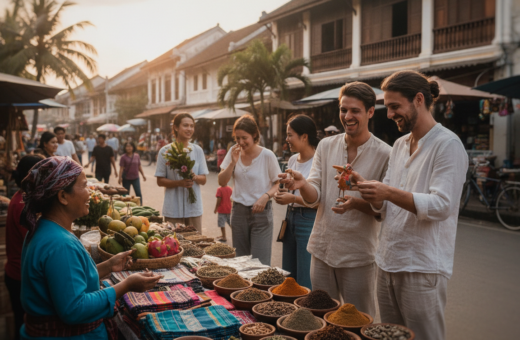
They should combine mobile guides with neighborhood tips to save money and time. Local markets and public transportation often offer better prices and a richer experience than tourist sites.
Keep the bank informed and use secure cards to protect funds abroad. Storing the itinerary and key documents in a synced folder gives access even when service is spotty.
Always have a backup. Save offline maps, a printed list of contacts, and a second SIM or portable hotspot for connectivity cases.
“Technology and local resources are powerful tools that can make international trips much more manageable.”
- Research hotels and sites ahead to control budget.
- Use maps to navigate each place with confidence.
- Stay in touch with insurance and bench for quick attention in emergencies.
Conclusion
Final checks help turn good planning into calm execution. Confirm essential items, use a clear mapand keep the overall planning simple to reduce stress before the trip.
They should make sure the passport and other documents are valid and easy to reach. Securing a reliable sure policy gives quick help if something goes wrong abroad.
Manage money and carry backup cards so payments stay smooth in foreign places. Knowing local rules in other countries and how to access support in the foreign keeps travelers in control.
Keep clear information and digital backups to improve the overall experienceWith these steps, the future trips and each journey will feel safer, more organized, and memorable.