
Advertisements
Are we looking quality employment in warehousing and logistics, or do we accept the first offer that appears on the screen?
We present a practical guide for those looking for new warehouse jobs in the United States.
We want to help find Companies Hiring Right Now and New job offers today.
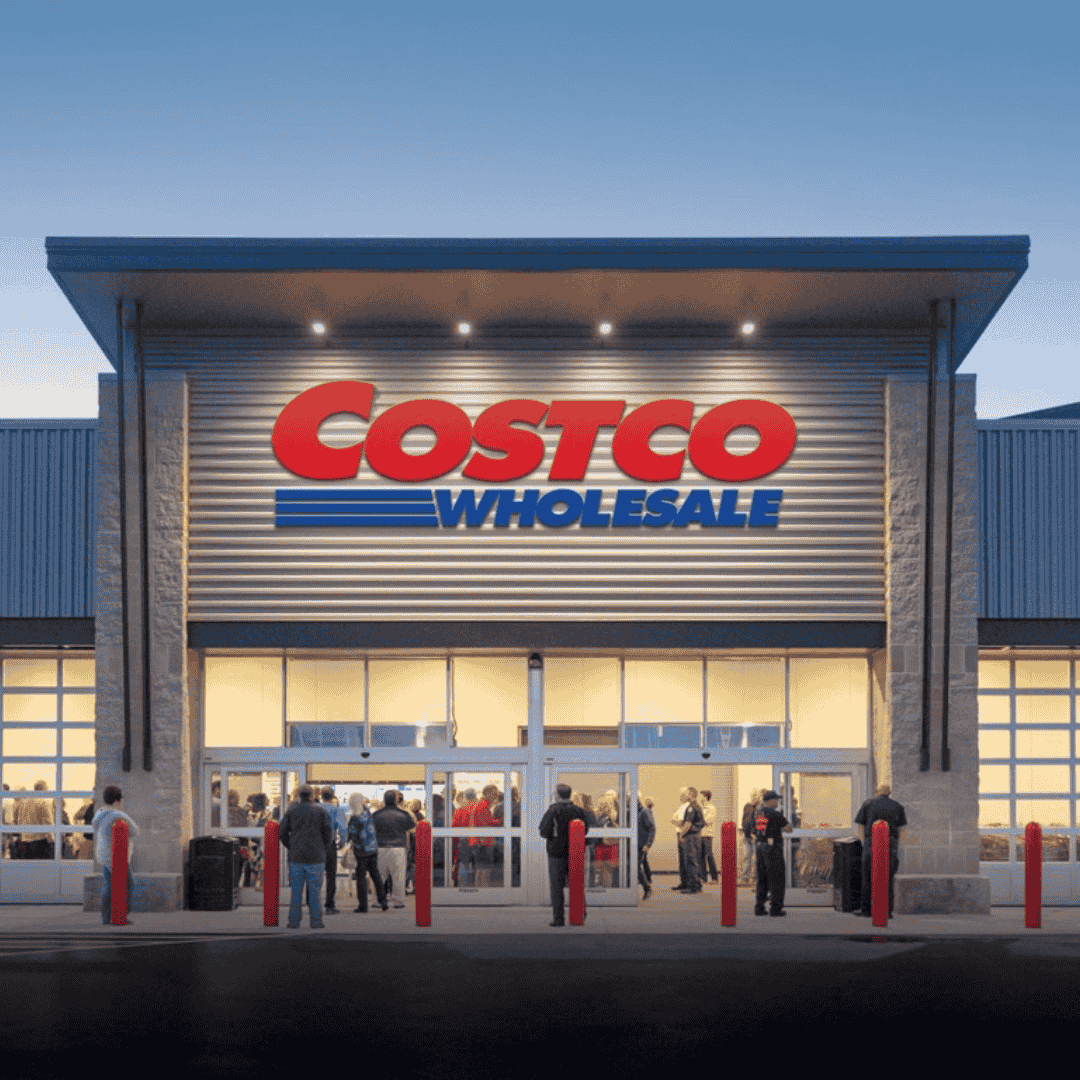
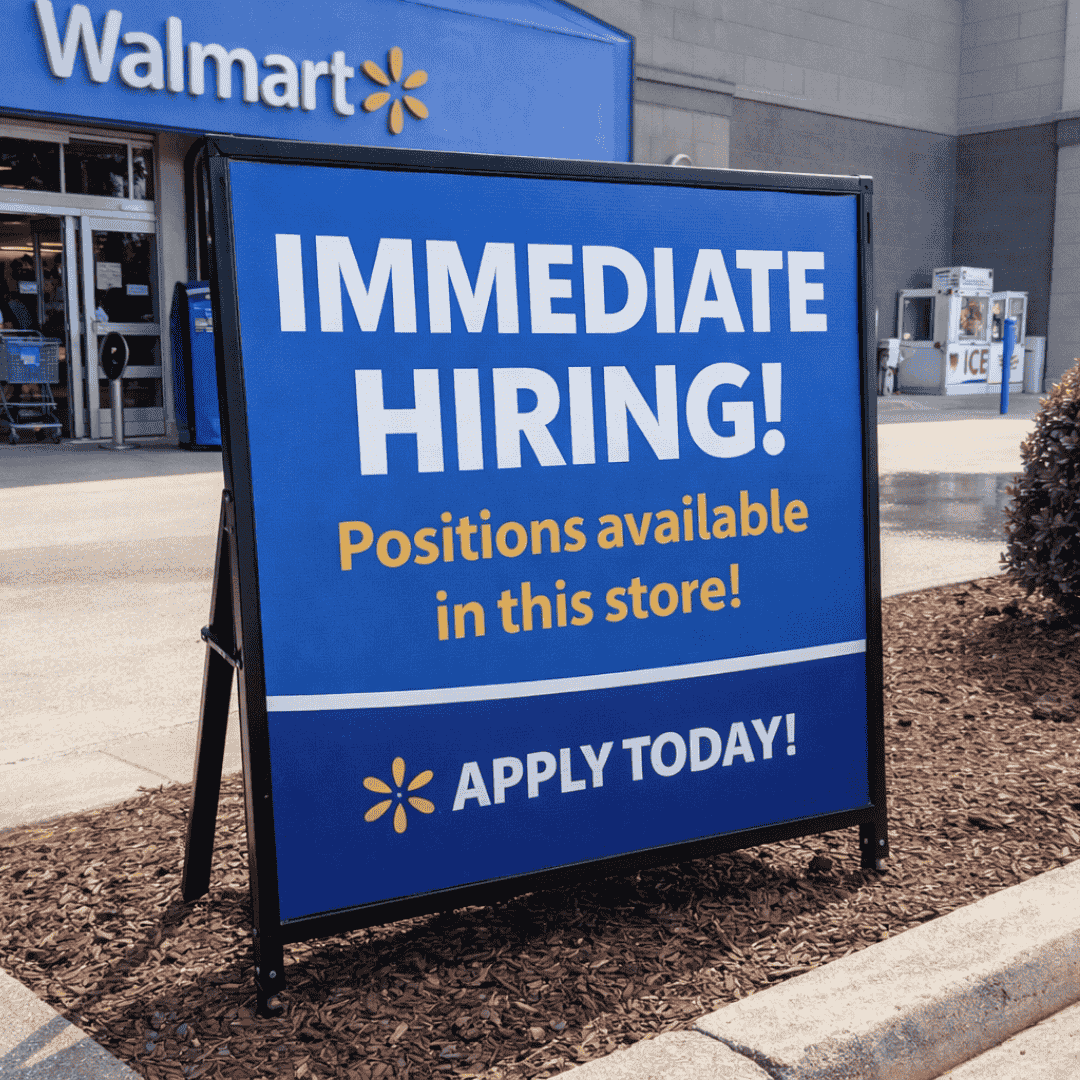
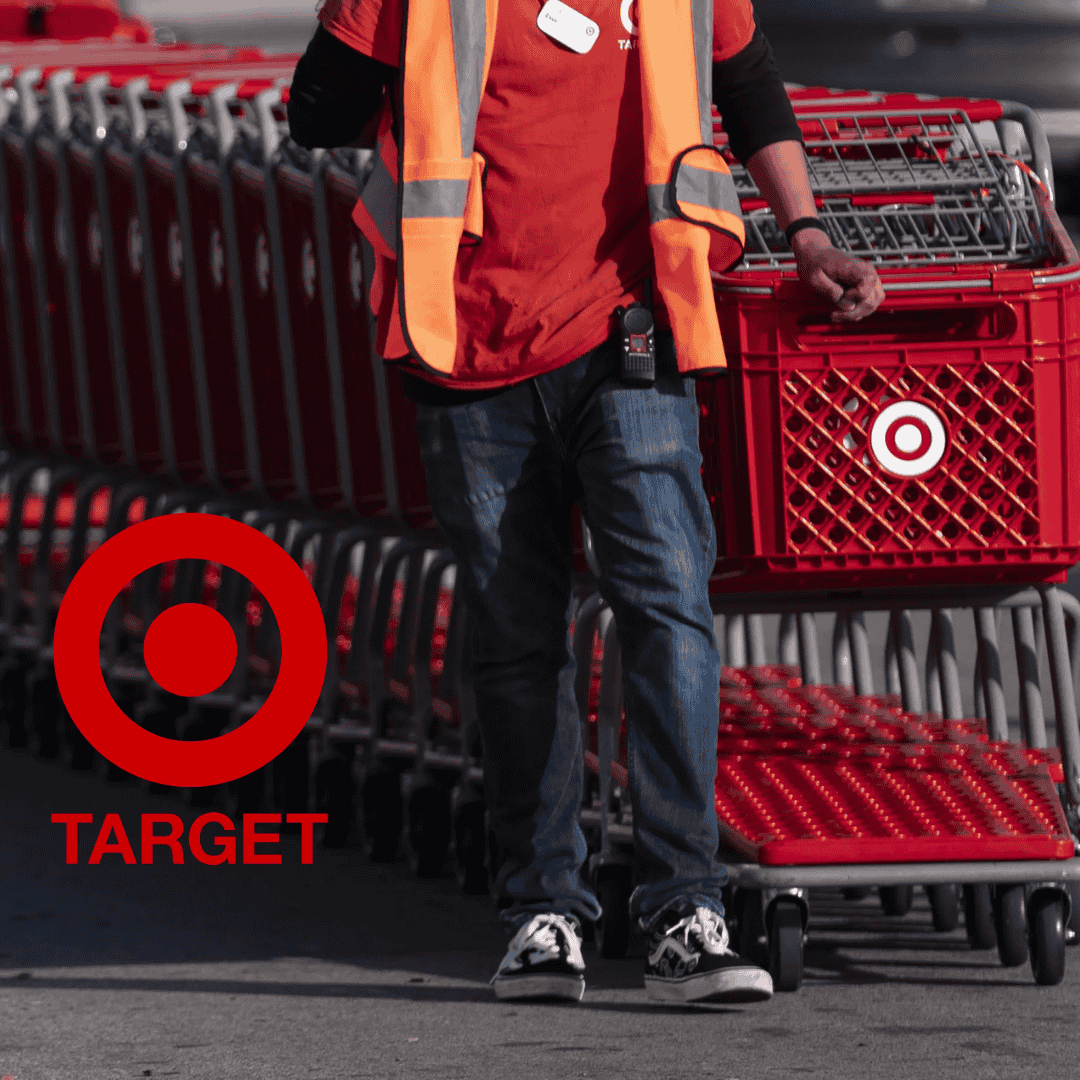
We will also explain what that means. urgent hiring.
In this tutorial, we share methods for finding updated employmentWe will identify real opportunities.
We use data and practices from portals like Indeed, LinkedIn, ZipRecruiter, and Glassdoor. Also from local job boards.
We are addressing people interested in quality employment in warehouses.
We offer clear guidance and actionable steps. But we don't guarantee results or promise specific offers.
New warehouse jobs
We've put together a guide to job openings at distribution centers. We want to help you find a job. We aim to offer you... job opportunities real.
What do we mean by new warehouse jobs?
The new warehouse jobs These are recent vacancies. They are located in e-commerce and retail companies. They include positions such as warehouse operator and inventory control clerk.
The term “new” refers to recent job postings. It also includes temporary positions due to seasonal work or company growth. These jobs typically require immediate availability.
Why are they relevant in today's job market?
E-commerce has grown significantly. Companies like Amazon and Walmart are looking for logistics personnel. This creates constant employment in warehouses.
These positions offer training and opportunities for growth. They are accessible and hiring is quick.
How we identify legitimate and up-to-date offers
We verify ads using simple criteria. We look for publication date, contact information, and a clear description.
We consult reliable sites like Indeed and LinkedIn. We compare the job posting with the company's official website. We review customer testimonials and hiring policies before recommending applications.
We warn about red flags. Requests for upfront payment and a lack of company information are risks. With these guidelines, we offer safe and up-to-date employment.
| Aspect | What are we looking for? | Why it matters |
|---|---|---|
| Publication date | Published within the last 72 hours | It guarantees that the New job offers today are in force |
| Contact | Corporate email or official phone number | Reduces the risk of scams and improves trust |
| Description | Clear responsibilities and requirements | It allows us to assess whether the position matches our skills. |
| Portal | Recognized platform (Indeed, LinkedIn) | It makes it easier to verify updated employment and offer history |
| Warning signs | Prepayment or personal emails | They indicate a suspicious offer and lack of legitimacy |
What does urgent hiring mean in warehouses?
The logistics market in the United States is changing rapidly. urgent hiring This is when they need to find people quickly. This happens at companies like Amazon and FedEx.
Definition of urgent hiring and its causes
The urgent hiring This is when warehouses need staff quickly. This happens for many reasons. For example, when there's more work or when someone is out sick.
We post job openings quickly. We're looking for people who can start soon. The requirements are clear and the process is fast.
Typical duration of urgent hiring processes
These processes can take 24 to 72 hours. If verifications are required, it may take longer. This includes posting the job offer, reviewing candidates, conducting interviews, and providing initial training.
If you do a good job, your contract could be longer. Keeping your profile up-to-date helps you get started soon.
Schedule expectations and availability
Urgent hiring requires flexibility. Shifts can be day, night, or weekend. Shifts range from 8 to 12 hours.
It's important to know when you're available. Communicating this during the process helps. Having everything ready makes it easier to respond quickly to offers.
| Aspect | Typical range | Impact on the candidate |
|---|---|---|
| Hiring time | 24 hours – 2 weeks | Fast entry if we meet the requirements and documentation |
| Types of companies | Amazon, FedEx, UPS, 3PL, Costco | High frequency of urgent hires |
| Schedules | Rotating shifts, night shifts, weekends | Flexibility and immediate availability are required. |
| Possibility of continuity | Temporary to permanent based on performance | Opportunity for growth and stability |
| Useful tools | Real-time alerts, updated resume | Improves response to urgent hiring |
Sectors with the highest demand for warehouse staff
In today's market, there is a high demand for operational staff. Several sectors are looking for workers. This is good news for job seekers.
E-commerce and logistics
Amazon and Shopify need people for many tasks. These include preparing orders and quality control. During events like Prime Day, there are many job opportunities.
Retail distribution and fulfillment centers
Large retailers like Walmart and Target are hiring. They're looking for people to receive merchandise and stock shelves. These jobs are usually stable and offer opportunities for advancement.
Food storage and transportation
The food industry follows safety regulations. Companies like Kroger need people to handle food. There is constant work, especially in food safety.
It's a good idea to look into these industries if you're looking for work. This will increase your chances of finding a good job.
Most sought-after profiles and skills
In the United States, distribution centers look for certain profiles. They want people with technical skills and a positive attitude. Here's a guide to finding good jobs in logistics and warehousing.
The technical skills Key skills include operating scanners and using WMS systems. Knowledge of Excel is also helpful. Operators must be forklift certified and have safety training.
The certifications Important courses include OSHA Level 10, forklift operation, HAZMAT, and warehouse safety. Companies like Compex and local schools offer these courses. This will help improve your skills.
Soft skills are very important. Being punctual, working well in a team, and following instructions are key. This is vital in busy environments.
Physical stamina, attention to detail, and adaptability are essential. Good communication skills and a willingness to learn are also important. These will help you grow in your career.
For many jobs, you don't need prior experience. But if you have experience in logistics or customer service, that's a plus. A high school diploma is a plus.
If you have experience, you get hired faster and often at a better pay. This brings you closer to a good job.
To find a job, focus on the certifications that you need. Show examples of your previous work in your resume. This will help you stand out from the competition.
How vacancies and availability work
Understanding how vacancies and availability are related is key. It helps us better plan our job search in warehouses. We explore the most common job models and how geographic location affects the labor supply.
Shifts, temporary and permanent contracts
We explain common employment models. We talk about temporary contracts with agencies like Manpower and Adecco. We also cover part-time positions and permanent jobs.
Agencies offer quick placements. Sometimes, these positions become permanent.
The work shifts They vary. They may be rotating shifts, night shifts, or include overtime. It's important to review the contract to understand the hours and benefits.
Seasonal vacancies vs. continuous vacancies
The seasonal vacancies They arise during times of high demand. They are ideal for getting in quickly, but less stable than continuous vacancies.
Ongoing vacancies grow with the business. They offer benefits, training, and opportunities for advancement. It's best to plan your applications according to the season.
Impact of geographic location
Job demand varies by region in the United States. Logistics hubs like Los Angeles and Chicago have more job openings. This increases competition for talent.
Salaries and working conditions vary depending on the location. It's helpful to look for jobs on local job portals and community networks. This way, you can find opportunities nearby that fit your availability.
| Aspect | Seasonal vacancies | Ongoing vacancies |
|---|---|---|
| Stability | Medium-low | High |
| Hiring time | Fast | Variable |
| Benefits | Limited | Complete (when applicable) |
| Work shifts | Frequent rotating and night shifts | More fixed and predictable options |
| Best search strategy | Apply before the seasonal peak | Monitor updated employment and constantly apply |
Effective job search for warehouse jobs
To find a job in warehouses, we need to be strategic and prepared. First, we improve our key documents. Then, we practice for interviews and practical tasks.
Finally, we use our networks to find new opportunities. This helps us speed up the hiring process.
Resume and keyword optimization
We tailor our resume to each job posting. We use keywords like pick and pack and forklift operatorWe also included certifications OSHA and experience with scanners.
Your resume should be clear and concise. We'll prepare a PDF version for you to send. We'll make sure it looks good on sites like Indeed and LinkedIn.
Preparation for interviews and practical tests
We prepare for physical and scanner tests. We practice safe movements and simulate tasks. We rehearse answers to questions about equipment availability and operation.
We prepare examples of inventory control and safety procedures. If necessary, we review OSHA certifications.
Use of contact networks and recommendations
We request internal references and contact employment agencies. We attend job fairs and recruitment events.
We updated our LinkedIn profile and sent messages to HR. Internal referrals can significantly speed up the process.
Recommended online job platforms and job boards
To find warehouse jobs, we use several websites. We look at general and specialized job portals. We also visit company websites like Amazon Jobs and Walmart Careers.
Main portals and how to filter results
We started with Indeed, LinkedIn, ZipRecruiter, Glassdoor, and Snagajob. It's also a good idea to check CareerBuilder and company careers pages.
We use filters for date, location, job type, and salary. We search for keywords like "warehouse" to find new job postings.
We search for local agencies and corporate websites. Filtering by "last 24 hours" helps find recent listings.
Real-time alerts and their benefits
We set up email alerts and push notifications. We activated alerts for specific terms on Indeed, LinkedIn, and ZipRecruiter.
Alerts allow us to quickly apply for new offers. This improves our chances in highly competitive markets.
We prepare resumes and references. That way, we can apply in minutes when we receive an alert.
Precautions against suspicious offers
We avoid offers that ask for money upfront or offer high salaries without details. These are signs of scams.
We verify addresses and reviews on Glassdoor. We also check for corporate presence on LinkedIn. We don't release sensitive information until everything is clear.
If an offer doesn't have a clear contract or avoids interviews, we don't pursue it. We prioritize safety and trust on job platforms.
Wages, benefits and working conditions
We explore what to expect when looking for a warehouse job in the United States. We discuss salaries, benefits, and safety. We want to help you find good jobs.
Typical salary ranges in the United States
We'll give you an idea of what warehouse workers earn. They earn between $12 and $20 per hour. Forklift operators and other specialized roles can earn more, up to $28 per hour.
Large companies like Amazon pay more. This is also true in expensive locations. For current salaries, check Indeed and the Bureau of Labor Statistics.
Common benefits: insurance, time off and bonuses
Benefits vary by company and contract. They include health insurance, vacation time, and 401(k) plans. Many also offer retirement savings plans.
During peak hiring seasons, there are special bonuses. Some jobs offer more for overtime. Eligibility depends on seniority and whether the job is temporary or permanent.
Physical conditions and safety at work
Warehouse work is physical. It requires lifting things and standing for long periods. It also involves operating equipment and being in noisy environments with temperature fluctuations.
Safe companies have safety rules. We expect to see protective equipment and training. Ask about safety during the interview.
| Job type | Time range (USD) | Common benefits | Demand indicator |
|---|---|---|---|
| general warehouse worker | $12 – $20 | Health insurance, paid days, 401(k) | High |
| Forklift Operator | $18 – $28 | Shift bonuses, certified training | High |
| Logistics Coordinator | $16 – $26 | Holidays, extended insurance, bonuses | Half |
| Temporary / seasonal positions | $12 – $18 | Signing bonuses, overtime pay | Very high in season |
Training and opportunities for advancement
Training is key to growth in the logistics sector. We offer examples of programs that blend theory and practice, enabling staff to find good employment.
Internal training programs
Companies like Amazon, UPS, and Walmart have onboarding programs. These include topics such as industrial safety and WMS management. The instructors are certified and teach both on the factory floor and in classrooms.
Participating in these programs improves retention and facilitates advancement. It's important to request internal courses and demonstrate skills in practical assessments.
Certifications that improve employability
Certifications such as OSHA 10/30 and forklift operator are highly valued. They can increase your salary. Courses in inventory management and food safety compliance are also available.
Institutions such as community colleges and platforms like Coursera or LinkedIn Learning offer additional courses. Earning certifications demonstrates credibility and opens doors to technical roles.
Path to supervisory and management roles
The career path begins as an operator and progresses to operations manager. Each step requires new skills, such as leadership and KPI analysis.
To advance quickly, seeking internal mentorship is helpful. Accepting additional responsibilities also helps. These actions create growth opportunities and ensure a good job.
How to take advantage of real-time job offers
To find a job quickly, we need to be prepared. It's important to have a plan before vacancies appear. Here's how to set up alerts, apply quickly, and track your career.
On sites like Indeed, LinkedIn, and ZipRecruiter, we set filters. We use keywords like "warehouse" and "hiring now." This way, we receive email and mobile alerts and focus on what interests us.
Prompt notifications are key. If we receive alerts early, we have a better chance of being selected. That's why it's important to check our alerts frequently.
Quick application and documentation ready
We keep our resumes, permits, and certificates readily available. We also keep references and a cover letter ready for quick applications.
Our LinkedIn profiles are complete. This helps us apply without delay when new opportunities arise.
Professional follow-up after submitting the application
After applying, we send a short message to the recruiter. We tell them we're interested and ready for interviews.
We kept a record of our application. We communicated with the recruiter respectfully, asking about the next step.
| Action | Recommended tool | Advantage |
|---|---|---|
| Create alerts | Indeed, LinkedIn, ZipRecruiter | Receive real-time job offers and filter by location |
| Prepare documents | Google Drive, Dropbox | Quick application with resume and certificates in PDF |
| Optimize profile | Better visibility for recruiters and faster responses | |
| Follow-up | Email, platform messaging | Confirm interest and obtain information about the process |
Warnings and best practices for candidates
Finding a warehouse job requires careful consideration. It's important to follow best practices. This protects you and improves your job search.
Identify scams and illegitimate offers
There are clear signs of scams. For example, asking for money upfront. Also, not having an address or paying more than usual without an interview.
If something doesn't seem right, we investigate online. We use LinkedIn, Glassdoor, and the Better Business Bureau.
We don't give out personal information at the beginning. We verify who is calling and check the job description.
Negotiating terms without guarantees
Employers sometimes need things done quickly. But we always negotiate well. Before discussing money, we look at what's being paid in the area.
We discussed testing, hours, and benefits. We accepted that we can't always negotiate much.
Registration and organization of candidacies
We use a spreadsheet to track each application. We keep descriptions and documents for interviews.
Being organized helps you find a job faster. It prevents you from applying twice. Keeping things organized helps you respond quickly and maintain a good record.
| Risk | Warning sign | Recommended action |
|---|---|---|
| Prepayment | Request to pay for training or equipment | Reject and verify in online job boardReport offer |
| Off-platform contact | Messages asking to switch to WhatsApp or personal email | Request communication through official channels and confirm the recruiter on LinkedIn. |
| Offer too good to be true | Very high salary without interviews | Compare with local ranges and request a written contract. |
| Lack of company data | There is no physical address or public profile. | Search on Glassdoor and Better Business Bureau; do not proceed without verification. |
| Request for sensitive data | Application for SSN or early banking information | Share only in advanced stages and with a signed contract |
Conclusion
We have talked about the new warehouse jobsWe explored why they are important in e-commerce and logistics. We also discussed how to hire them quickly.
We explain how long the hiring process takes. And what working hours are expected of the employees.
We discuss which skills and certifications are most valued. We also mention the soft skills that help you get a job.
We'll show you how to set up alerts and optimize your resume. We'll also show you how to apply quickly and verify legitimate job postings.
We remind you that using our tools and advice improves your chances, but it doesn't guarantee a job. The final decision rests with the employer and the market.
We encourage you to use the platforms and tips we provided. This will help you keep your job search active and find work in real time.
FAQ
What do we mean by “new warehouse jobs” and who are they aimed at?
"New warehouse jobs" are vacancies at distribution centers. They are looking for logistics operators and e-commerce staff. These opportunities are available in the United States.
Warehouse operator and inventory control positions available. Looking for people interested in working in warehousing and logistics.
How do we identify a legitimate and up-to-date offer?
We verify the publication date and whether it's on reliable websites. We look for verifiable contact information. The description must be clear.
We recommend checking company reviews. Make sure they match the company website. Avoid offers that ask for money upfront.
What does “urgent hiring” mean in warehouses and why does it happen?
Urgent hiring is used to cover immediate needs. It's usually for peak seasons or increased demand. Companies like Amazon use this process.
How long does an urgent hiring process usually take?
It can last from 24 to 72 hours. Others may take 1 to 2 weeks. The stages include application review and interviews.
Immediate training is common. Many temporary contracts can become permanent.
What hours and availability do these positions usually require?
Flexibility is required, including night shifts and weekends. Shifts may be 8 to 12 hours long. It is important to assess your availability before applying.
In which sectors is there the highest demand for warehouse staff?
There is increased demand in e-commerce and logistics. Also in retail distribution and food warehousing. Each sector has its own characteristics.
What skills and certifications are employers looking for?
They are seeking certifications such as OSHA Level 10 and equipment operation. technical skills They are important. Punctuality and teamwork are valued.
Previous experience is valued, but not required. Many positions accept candidates without experience.
How do shifts and contracts (temporary vs permanent) work?
There are both temporary and permanent contracts. Shifts can be rotating or night shifts. Seasonal vacancies offer quick opportunities but less stability.
Ongoing vacancies often offer benefits and opportunities for growth.
How does geographic location affect availability and salary?
Demand and salaries vary by region. Logistics hubs typically have more job openings. Areas with a high cost of living pay more.
We recommend searching on local job portals. This helps compare salaries and find opportunities nearby.
What should we include and how can we optimize our resume for these searches?
We tailor the resume with relevant keywords. We highlight certifications and availability. We maintain a clear and concise format.
It is important to have a PDF version ready to send.
How to prepare for interviews and practical tests for warehouse roles?
We practiced answers regarding availability and experience. We prepared for physical tests and scanner assessments. We reviewed security protocols.
It's important to have documentation and references ready. This speeds up the process.
Which portals and filters do we recommend for finding real-time deals?
We used Indeed, LinkedIn, ZipRecruiter, and Glassdoor. We filtered by posting date and location. We searched for keywords like “warehouse” and “hiring now.”
How to set up alerts and why are they useful?
We set up alerts on Indeed, LinkedIn, and ZipRecruiter. These alerts allow us to apply quickly. It's helpful to have documentation ready to apply instantly.
What are the typical salary ranges and benefits in the United States?
Warehouse workers earn between [amount] and [amount] per hour. Forklift operators can earn up to [amount] per hour. Larger companies typically pay more.
Common benefits include health insurance and a 401(k). Eligibility varies depending on the type of contract.
What physical conditions and safety measures should we expect?
The work is physically demanding. It requires lifting heavy loads and operating equipment. Companies provide safety training.
It is important to ask about ergonomics and safety policies during the interview.
What certifications or courses improve employability and career advancement?
OSHA Level 10 and equipment operation certifications are useful. Inventory management courses are also beneficial. These accreditations increase salary and opportunities for advancement.
How to effectively take advantage of real-time job offers?
We set up alerts and keep our resumes updated. We prepare standard responses for forms. Applying early and following up increases our chances.
How to identify scams and suspicious offers?
We look for red flags such as requests for upfront payment. We verify the company on the Better Business Bureau and Glassdoor. We don't share sensitive information until it's safe to do so.
Should we negotiate terms in urgent hiring processes?
We can negotiate salary and conditions professionally. In urgent situations, flexibility is valued. It's helpful to know the local salary ranges before negotiating.
How to keep the candidate search and tracking process organized?
We use a tracking sheet to organize applications. We keep copies of the descriptions and submitted documentation. This makes it easier to prepare for interviews and follow the process.