
Advertisements
You begin A journey around the world to discover corners that surprise you with their shape and history.
You'll see From the Richat Structure —the so-called “Eye of the Sahara” visible from the ISS— to Stonehenge, where it was proposed that stones were moved with sleds lubricated with pig fat.
You'll also find natural wonders like Belize's Great Blue Hole, ~304 meters in diameter and 121 meters deep, with stalactites documented in 2018.
In Antarctica, Blood Falls is explained by a pocket of iron-rich saltwater trapped approximately 2 million years ago. This information provides context for planning your visit and making the most of your time.
I'll guide you step-by-step to prioritize routes, detect congestion, and redirect your attention to equally amazing alternatives. Plus, you'll find practical safety tips and recommended months for each location.
Embargo Science and local storytelling combine here to help you understand why these landscapes exist and decide what to see first.
Discovery map: how to explore the world in search of unexpected landscapes
Organize your discovery map Prioritizing transport connections and access times. This reduces travel and helps you earn more. days to see diverse landscapes without wasting energy.
Alterna activities of low and high intensity. For example, combine an easy walk in the morning with a more intense hike in the afternoon. This keeps you motivated and protects your pace.
Plan by region and climate: in the same world Deserts, glaciers, and rainforests are all within a few hours' flight. It includes ground transportation and air depending on the season and visibility.
- Booking access and permits in fragile parks and leave gaps for improvisation.
- Decide whether a fixed base with radial excursions or a linear transit route suits you.
- Prepare a list of equipment by type of landscape: waterproof, sunscreen, technical footwear.
Finally, always keep a "plan B" with nearby alternatives in case of closures, bad weather, or high demand. That way, your trip remains memorable even if something changes.
Stunning hidden places that will take your breath away
Discover two sites that change your scale: one visible from orbit and another drawn on Earth.
The Richat structure, Mauritania: the “Eye of the Sahara” visible from space
In Mauritania you will find a place It looks like a giant target. The spiral measures about 48 km in diameter and has fascinated astronauts for decades.
The current scientific explanation proposes an eroded dome that created concentric rings. That shape It is easy to recognize even from the ISS.
The Nazca Lines, Peru: Giant geoglyphs amidst theories and water rituals
In Peru there are approximately 300 geoglyphs covering ~321 km²; some lines exceed 8 km. If you are drawn to them legendsYou will feel the living tradition at the viewpoints.
- Today the present The studies lean towards rituals linked to water and resource management.
- Flying over in a small plane helps you understand the scale and avoids damaging the terrain.
- The best time to see contrasts is at dawn or dusk.
Both destinations demand respect: stick to official trails and certified operators to protect these unique places.
Water that surprises: ocean, lakes and waterfalls that defy logic
Water reveals phenomena They seem otherworldly. You approach sinkholes, stained waterfalls, and ice that holds bubbles. Each place demands respect and preparation.
The Great Blue Hole, Belize
In Belize, you'll find a marine sinkhole approximately 304 meters in diameter and 121 meters deep. Diving there reveals caves and stalactites discovered in 2018, remnants of a submerged terrestrial past.
Blood Falls, Antarctica
At Taylor Glacier, a pocket of saltwater, trapped for approximately 2 million years, releases iron that tints the flow red. It is a reminder of chemical processes at work on a massive scale.
Eternal Flame Waterfall & Abraham Lake
In New York, a small flame burns thanks to natural methane; it can be extinguished by splashing and reignite. In Canada, Abraham Lake displays mesmerizing patterns when methane bubbles freeze beneath the ice.
Practical tips:
- Adjust your equipment and permits if you're exploring the open ocean or walking on ice.
- Choose responsible operators who minimize impact.
- Take advantage of the low daylight to capture textures and reflections.
Living deserts: dunes, stone and structures shaped by millions of years
In some deserts, the sand holds water and stories that defy expectations. Here you will see how rain, rock and gas create unexpected scenarios.
Lençóis Maranhenses National Park, Brazil
In this desert, the dunes form freshwater lagoons between January and May. You can choose the shape to explore it: sunrise walks or buggy rides to feel the adrenaline.
It is located near São Luís do Maranhão; arrange transfers in advance if you want to see the lagoons in their full glory.
Moeraki Boulders, New Zealand
In the coast Stone spheres appear that combine Maori legends and cementation processes. They are fragile and deserve respect: do not climb on them or cache on them.
The Gates of Hell, Turkmenistan
A gas crater that has been burning since 1971, a reminder of how trapped gas shapes landscapes over time. yearsObserve from safe points and avoid approaching without guidance.
- It provides protection against the desert sun and wind.
- Check access points after heavy rains.
- Respect signs and stone structures: they took millennia to form.
Forests and moors with legends: energy, fog and impossible shapes
Fog, rocks, and legends intertwine in mountainous regions where every trail reveals a story. Here you'll see how altitude and geology create landscapes that invite you to walk and ask questions.
Marcahuasi, Peru: stone forest among ruins
In Marcahuasi you walk among figures of stone formed by erosion and dotted with pre-Incan ruins. It is an area of height where the fog adds drama.
This mineral forest is home to legends about astral energies and healing. Beyond the myth, the Andean silence is part of its charm.
Hoia-Baciu, Romania: the clearing that intrigues
The Hoia-Baciu forest has a clearing where nothing grows. The botanical pattern and local stories raise more questions than they answer.
Llanganates, Ecuador: moorland, lagoons and mystery
In Llanganates, high-altitude grasslands and lagoons coexist with trails that climb and descend through high-mountain vegetation. Many come drawn by the rumor of Atahualpa's treasure.
- Dress in layers: the weather can change in minutes at this time of year.
- Avoid leaving the paths: soils and lichens take decades to recover.
- If you're interested in history, talk to local guides to compare science and tradition.
Cities and structures with history, myths, and attention for their architecture
Cities and buildings They tell stories that combine engineering, faith, and legend. Here you explore examples where technique and mysticism converge in stone and wood.
Stonehenge
At Stonehenge you see a history live where theories Issues regarding transportation and astronomical alignment are still debated.
A 2019 proposal suggests that sleds lubricated with pig fat moved tons of stone ~5,000 years ago.
Bran Castle
The famous castle Romanian blends Gothic tales with stories about Vlad III, and fuels the legend of Dracula.
Their shapes are attractive visits throughout the year due to its atmosphere and history.
Churches of Lalibela
In Ethiopia you walk inside a structure Monolithic: eleven temples carved into the rock that condense faith and craftsmanship.
Winchester House
This kaleidoscope house grew by years until it became a labyrinth with 160 rooms, 10,000 windows and 2,000 doors.
Staircases and hallways that lead nowhere are part of the obsessive design that made it unique.
- Organize tickets and schedules in advance: several venues have strict capacity limits.
- Examine the base The constructive nature of each work: techniques, materials, and patterns speak of human ingenuity.
- Respect the rules and paths; you will appreciate each of these places better.
The United States: unusual natural wonders: lights, moving rocks, and secret areas
Some places in the US require you to look at the sky and the ground with equal curiosity. Here are three examples that combine mystery, science, and rules you must respect.
Lights of Marfa, Texas
Look at air Nighttime: Bright, flickering, and moving spheres have been reported for approximately 135 years. The phenomenon was observed by decades and continues to generate debate.
The theories They range from atmospheric explanations to more extraordinary hypotheses. If you go, seek out high points and bring a coat; desert nights are cold.
Racetrack Playa, California
In this dry basin, long tracks appear, proving that enormous stones slide. Recent studies indicate that thin layers of ice combined with wind cause the slow movement.
Bring a tripod if you want to photograph the markings and keep your distance: stepping on the ground can alter the record of the rocks.
Area 51, Nevada
The famous base In Nevada, it fuels the popular imagination. Access is impossible, and that keeps many stories and speculations alive. present.
Respect perimeters and signage: do not attempt to approach military areas.
- Look at the sky with patience and basic equipment.
- Bundle up and plan for cold nights in the desert.
- Respect boundaries; military perimeters and conservation areas do not allow exceptions.
If you want scientific context and historical reports on visible phenomena, consult this observed phenomenon to continue exploring.
Urban gems near Los Angeles: corners with European shape, history and feel
Explore how LA's neighborhoods and courtyards recreate European atmospheres within a diverse city. Here you'll find walkways that invite you to discover architectural details in just a few steps.
St. Vincent Court: a Mediterranean respite in the city center
In the heart of the city, St. Vincent Court offers cobblestones, cafes, and colorful shop windows. Stroll through the alley and enjoy shops with a Mediterranean and Middle Eastern flair.
Temples in Southern California: Accessible Architecture and Spirituality
Just a few minutes away, the BAPS Shri Swaminarayan Mandir and the Hsi Lai Temple welcome respectful visitors. Both complexes are renowned for their architecture and tranquility, perfect for those seeking inspiration.
Venice canals and gondolas in Long Beach
The canals of Venice offer peaceful strolls and charming photo opportunities. If you want a taste of Italy, hop aboard a gondola in Naples or Long Beach and enjoy the ride.
The “Witch House” and Bradbury Building: cinema and urban fantasy
The Witch House in Beverly Hills and the Bradbury Building are must-see spots for urban photography. Their facades and hallways have been the backdrop for memorable scenes and spark the imagination.
- Advice: Avoid peak hours and look for weekday mornings for more peace and quiet.
- These corners are home of small communities; supports people establishments with responsible consumption.
- Plan visits Take short walks and leave time to get lost in nearby streets.
- Respect the signage and add these places to your urban route.
Remote Caribbean and South Atlantic: turquoise waters, reefs and world-class surfing
The stretch between the Caribbean and the south The Atlantic offers islands where the sea dictates the pace of travel. Here you'll find open beaches, secluded coves, and a coastline that demands respect.
Los Roques National Park, Venezuela: reefs, mangroves and white beaches
In Los Roques you sail between waters turquoise and sandbanks that transform the landscape in an infinite palette of blues.
Use a base on the main island and explore islets during the dayprioritizing currents and tides for safety and better observation of the life marine.
Fernando de Noronha, Brazil: Morro do Pico, secret coves and perfect waves
In Fernando de Noronha, the south of the archipelago surprises you with consistent waves and coves that invite a leisurely exploration.
Plan activities snorkeling and diving with operators who respect mangroves and reefs such as part essential to the ecosystem.
- Despite the fame, the number of visitors It is monitored; book in advance and check environmental fees for stays of long term.
- If the wind picks up, switch to coastal walks and viewpoints: the sea sets the agenda.
- Choose the best light early or late for intense colors and more active wildlife.
EmbargoRemember that conservation comes first: act with common sense and leave the coast as you found it.
Andean highlands and oases: altitude, desert and life around water
In the Andean highlands, the contrast between sky and land offers vastly different experiences in a short period of time. Here, communities that live alongside water coexist with an oasis that springs up in the middle of the desert.
Lake Titicaca and the Uros Islands, Peru: tradition, totora reeds and clear skies
In Puno, at 3,830 meters above sea level, the tundra climate brings cold nights and days of intense sun.
Advice: Consider spending an extra night acclimatizing; 24-48 hours helps more than forcing yourself to go out. This way, your body will respond better to the altitude and you'll enjoy outdoor activities.
Sail towards the totora reed islands and observe how people build floating homes and manage the water in a traditional setting.
Huacachina, Peru: oasis among dunes, sandboarding and dinners under the stars
Huacachina is an oasis in the desert where the dunes invite you to sandboarding and sunset strolls.
Practical: Stay hydrated and use sun protection: the sun is intense at this altitude. Respect the trails and avoid driving off-road to protect the flora and dunes.
- Dress in layers: the temperatures drop several degrees at night, even in summer.
- Learn about totora reeds and local culture in Lake Titicaca before continuing your journey.
- Plan extra time: a year doesn't replace experience, but a few hours of adaptation make all the difference.
Rainforests, mangroves and clouds: biodiversity that transforms your idea of “forest”
The rainforests and mangroves of the Pacific and the Amazon redefine what you understand by forest. Here the life It appears in sounds, flights, and water currents that connect ecosystems.
Mashpi Lodge, Ecuador
Located about 3 hours from Quito, in the Chocó Bioregion, Mashpi protects 6,180 acres and is home of more than 400 species of birds.
Climb onto platforms to see hummingbirds and butterflies without disturbing the cloud forest.
Tambopata Reserve, Peru
In Tambopata you will travel along meandering rivers and lakes where emblematic fauna appears along the shore.
Get in a canoe to cross waters Relax and observe macaws, spider monkeys, and harpy eagles.
Churute, Ecuador
The Churute Ramsar estuary offers mangroves that act as nurseries for the sea and natural barriers against storms.
Between rivers and waterfalls From a low altitude, patient observation rewards with unforgettable encounters.
- Activities: program of dawn outings and nighttime monitoring to see different species.
- Respect trails and silence: this corridor is part of a critical biogeographical mosaic.
- Remember that these places They need conservation; your visit should minimize its impact.
Rainbow rivers and endless waterfalls: color, life and theories in motion
In southeastern Colombia, the rivers display palettes that seem painted, where each bend changes hue. Here, nature and the season dictate when the landscape reaches its peak intensity.
Caño Cristales: River of Five Colors Between June and November
Visit Caño Cristales between June and November to see how the waters They are dyed by the Macarenia clavigera plant. During those months, the red, yellow, and green tones appear clearly.
Respect the shores and avoid chemicals; conservation is key to keeping the phenomenon alive.
La Macarena: pink dolphins, petroglyphs and waterfalls
La Macarena combines four ecosystems, petroglyphs, and waterfalls that fall several metersIn nearby sections you can spot pink dolphins in calm rivers.
The route includes sections long boat trips and walks with stops for photography and observation.
- Distribute the year traveler to synchronize flows and transparency.
- Coordinate with local guides: access is regulated.
- Do not use repellents or sunscreens in the water; it protects plants and wildlife.
These places offer a unique experience if you plan with respect and time; organize your visit with conservation in mind.
Europe that surprises beyond the classics: bridges, fountains and phenomena
You walk through gardens and plazas where an arch and its reflection form perfect figures. These corners combine engineering, light, and water to create scenes that invite you to photograph and ask questions.
Devil's Bridge, Germany: a perfect circle in calm waters
In Kromlau, the Rakotzbrücke is famous for its shape The arch and its mirror create a circle that appears to float when the water is calm.
That optical effect feeds legends and sum history Local to a simple stroll. Arrive early to avoid crowds and get crisp reflections.
Fosse Dionne, France: blue spring of uncertain origin
In the small town where Fosse Dionne springs forth, the spring displays a deep blue whose origin still raises questions.
- Find the best light in the city: dawn without people and still water for reflections.
- Share your route with nearby towns and discover others. places of the map.
- Prioritize shoulder seasons for pleasant weather and less crowding.
Europe continues to surprise world with details that deserve time and respect.
Africa and the Middle East through the lens of natural mystery
In North Africa and along the Red Sea coast, landscapes emerge that combine history and geological processes. I propose two visits that show how rock and water create stunning landscapes.
Richat Structure, Mauritania: layers, erosion and 48 km diameter
Return to desert to see the 48 km spiral that astronauts call the eye. Today, science interprets it as an eroded dome, not an impact.
As you walk you will notice layers and shapes that are part of a monumental geological system. Do not touch fossils or move rocks: erosion is fragile.
Red Sea, Egyptian “Bermuda Triangle”: shipwrecks in exposed area
In the Red Sea certain zones They concentrate currents and banks that have caused historical shipwrecks. If you dive, remember that the ocean requires certification and local guidance.
Visibility and wildlife vary by season, so base Operations influence the experience. Respect closures and permits in protected areas.
- Hire local guides with knowledge of winds and entrances.
- Use buoys and certified equipment for any dive.
- Check the weather calendar before setting sail.
- Protect strata and do not climb fragile formations.
- Plan the logistics: the best time is usually early in the morning.
Asia and Oceania that seem like something from another world
From the vast solitude of the Australian desert to craters that light up at night, this region brings together contrasts that change your idea of the planet.
Uluru, Australia: red sandstone and oval shape
In South Australia, Uluru stands out as a monolithic stone whose red surface comes from oxidation. It was formed approximately 550 million years ago years and condenses geological layers into a single impressive block.
Walk around it, respecting its sacred value and the official routes. Leave early to avoid the heat and crowds; the light changes with the clouds and angles, and that transforms the experience.
Kawah Ijen, Indonesia: acid lake and blue flames
Kawah Ijen is a crater where an acidic lake coexists with fumaroles. When the gases ignite upon contact with the airThe night turns electric blue.
Bring a headlamp, mask, and a certified guide: safety is paramount on active volcanoes. tonsAdjust your expectations; crater conditions can close access within hours.
- Respect signage and local communities.
- Plan ahead: weather and volcanic activity change rapidly.
- Enjoy responsibly and leave the place undisturbed for future visitors.
Helpful tips for visiting hidden gems: safety, impact, and best time of year
Planning for the right season avoids surprises and enhances every experience. Before you leave, check the weather, regulations, and access times to ensure a safe and respectful trip.
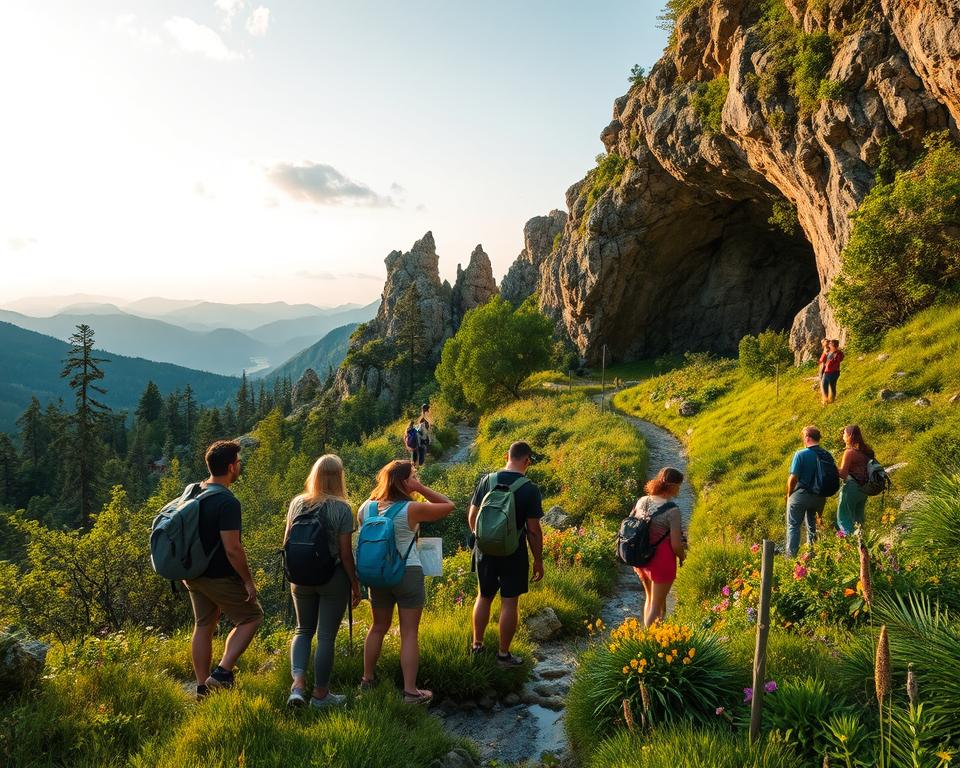
Seasonal planning: rainfall, altitude, winds, and access
Define the time ideal by destination: some blooms, flows or skies only appear in short windows.
Manage altitude, rainfall, and wind; your body and your equipment will thank you for realistic planning. Book spots in advance at sites with controlled access. visitors and it carries alternatives if the weather changes.
- Control the time sun exposure and driving to avoid fatigue.
- Check access and permissions: many sites limit daily capacity.
- If weather closes roads, switch to nearby and safe options.
Light footprint: respect for communities, wildlife and stone structures
Reduce your impact: respect trails, do not touch petroglyphs or stone structures, and avoid chemicals in rivers.
Buy and hire local; this contributes to conservation and the economy. Without embargoIf a site shows signs of overload, choose another one that is less busy.
- Share your photos with context and guidelines to inspire without encouraging risky behavior.
- Control visit times and save space for others visitors Enjoy it too.
- At the end of the day, be grateful: a simple "thank you" to guides and communities makes a big difference.
Conclusion
At the end of the trip you take away more than photos: you accumulate a map I live off wonderful things scattered throughout the world and ready for the next getaway.
Choose one place To begin, decide if you want geology, culture, jungle, or sea. Plan ahead, travel light, and leave each place better than you found it; that way, each day performs at its best.
Adjust your schedule to the light and pay attention attention Safety, guides, and communities. If you pay attention to the details, these experiences grow and multiply.
Come back to this guide whenever you want: the seasons open new routes and the places They await your responsible curiosity.