Advertisements
Have you ever wondered how a compact place can hold stories that rival those of major capital cities? Here you'll discover why many unassuming areas offer living heritage, festivals, and markets that connect you with the life A place without the urban noise.
I'll take you to hidden corners where every street reveals layers of the past, and visitors can wander at their own pace. You'll see real-life examples, from nearly deserted villages to hubs with vibrant cultural life.
Clear advantages: Less crowding, lower costs, and direct contact with the community. You'll also learn how to plan efficient and responsible visits to support local businesses and preserve heritage.
Why you'll love getting lost in small towns with big stories
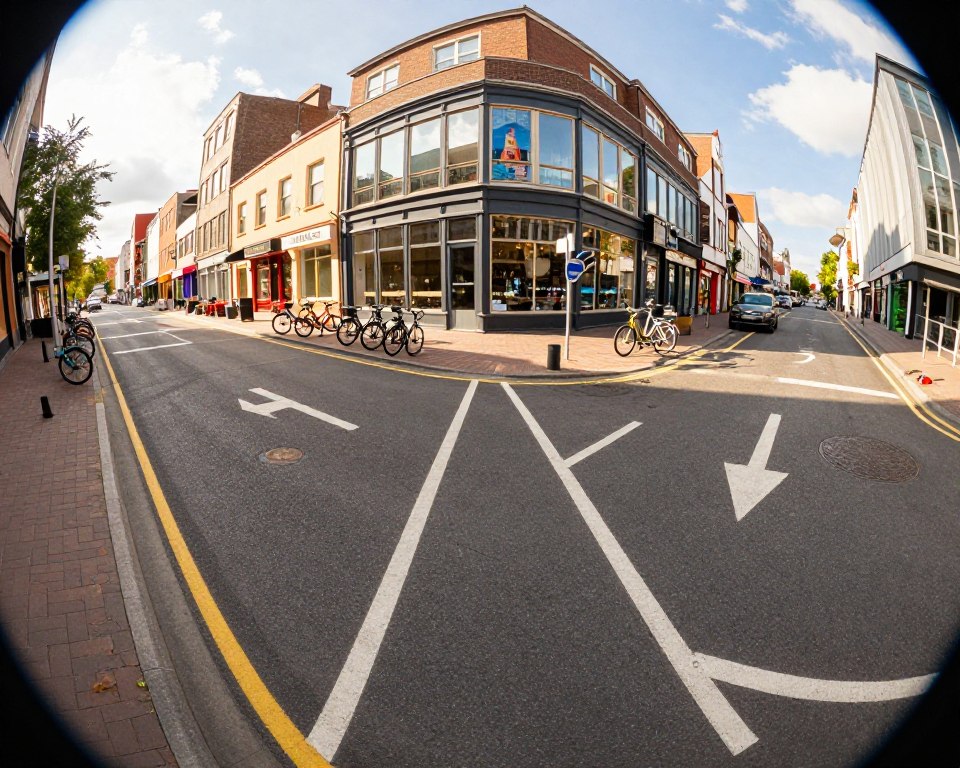
Taking a leisurely stroll through a compact city center connects you with local faces, flavors, and stories. In a city In a small place, people recognize you, greet you, and share recommendations with genuine interest.
- Immediate integration: From your first stroll you will feel like you belong to local life thanks to attentive neighbors and shops.
- A rhythm that takes care of your well-being: Less noise and more time for cafes, museums and leisurely sunsets.
- Eco-friendly economy: Accommodation and meals are usually more affordable, without losing charm or quality.
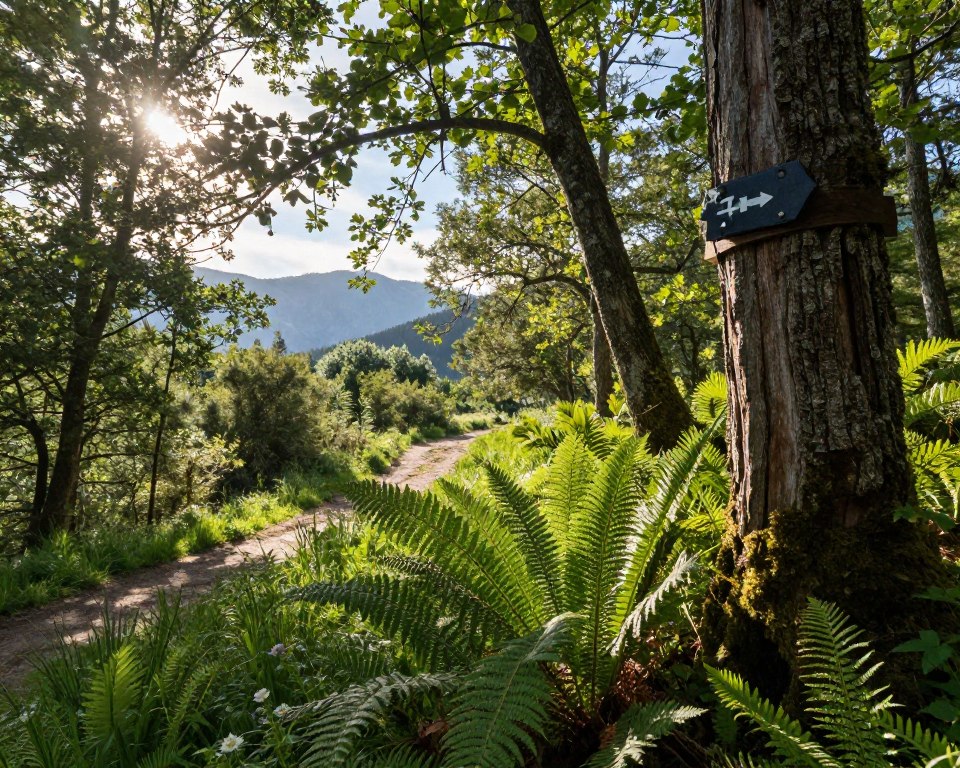
- Contact with nature: Trails and parks are nearby, so combining heritage and landscape is easy.
- Authentic experiences: Markets, school fairs and festivals open the door to stories told by their protagonists.
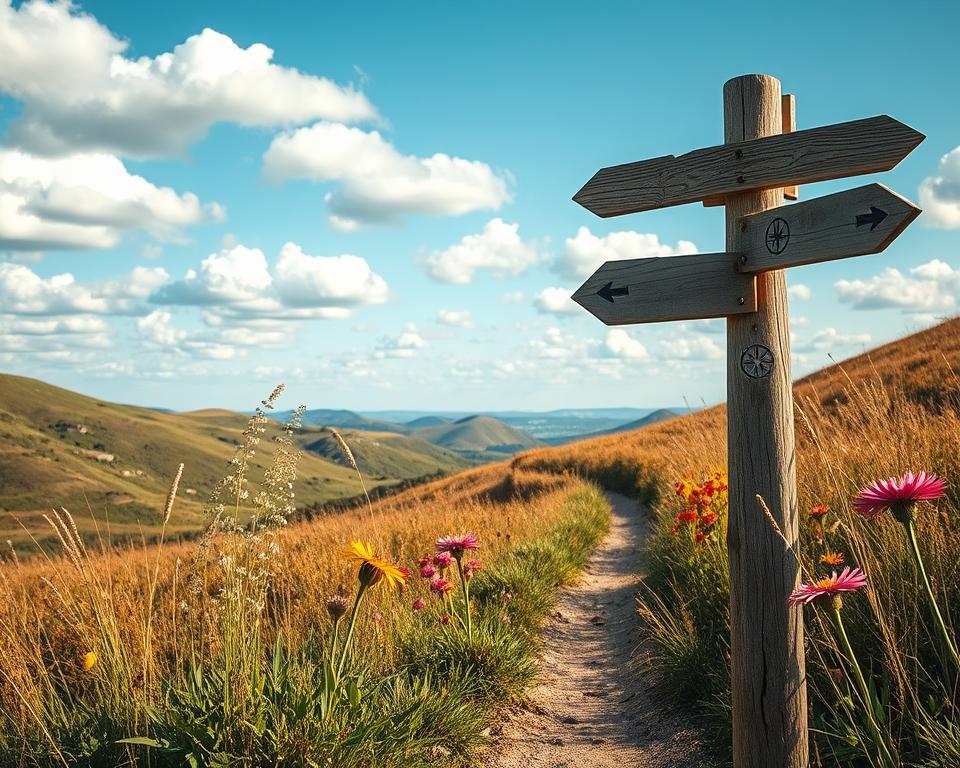
These advantages show why many cities Small places strengthen the social fabric and leave you inspired. Plan ahead: compact centers and good signage will make your visit to another one more enjoyable. city be efficient and memorable.
Underrated historical gems: small-town destinations that deserve your radar
Some places combine heritage, nature and festivals: they deserve to be on your radar.
- Brevard, North Carolina: Hundreds of waterfalls and hiking trails await you. Its bluegrass scene and local festivals keep Southern tradition and hospitality alive.
- Ashland, Oregon: The Shakespeare Festival enlivens the calendar year-round. Galleries and theaters coexist with mountain trails and sustainable practices that invite exploration on foot.
- Healdsburg, California: In Sonoma, the central plaza sets the pace. Wineries with tastings, boutiques, and a farmers market create a day that breathes wine and heritage.
- Stowe, Vermont: Colonial architecture and resorts for skiing or hiking, depending on the season. Here, adventure and relaxation combine without losing the local charm.
Get inspired Browse global lists of underrated places to expand your itinerary. Look for vibrant venues, established festivals, and stories that resonate with the life local and the nature.
Stories of small towns in the United States that defy their size
Visiting these communities will show you how a few buildings and names hold powerful stories. Here are real-life examples that demonstrate adaptation, memory, and a concentrated civic life.
Buford, Wyoming
Buford It went from being famous for its sole resident to becoming deserted. Its gas stations and signs serve as testaments to its rise and fall.
Monowi, Nebraska
In Monowi Elsie Eiler is mayor, librarian, and pub owner. Her dedication keeps the local government and public library running.
Lotsee, Oklahoma
With only 6 inhabitants, Lotsee demonstrates that community cooperation can replace complex procedures. The community manages the essentials directly.
Greenhorn, Oregon
Greenhorn preserves historical records from its mining era. Today it has no residents; its plaques and cemetery explain cycles of prosperity and abandonment.
Freeport, Kansas
Freeport, with fewer than ten residents, is the smallest incorporated city in Kansas. Here you'll see how gatherings, businesses, and traditions sustain local identity.
- Advice: Respect privacy and bring cash: your support influences the continuity of services and businesses.
Life, nature and community: what these cities offer you today
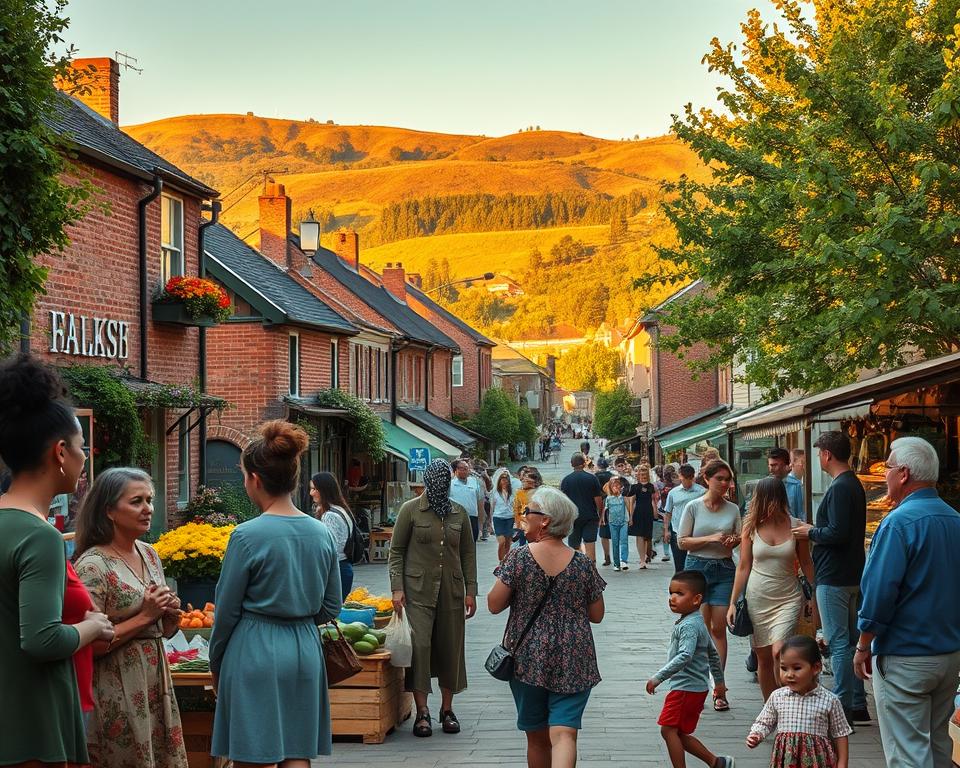
In these places you will discover a daily rhythm that balances tradition and well-being. You will feel how the life The local character is evident in the greetings, the fairs, and the cultural agenda. All of this unfolds at a leisurely pace, with room for strolls and quiet moments.
Relaxed pace, greater security and lower cost of living
Living here usually means less traffic and less pollution. Your safety It improves thanks to united neighborhoods and informal neighborhood watch.
Daily expenses go further: rents and menus are usually more affordable, and local markets provide fresh produce at good prices.
Nature at the doorstep and bonds between inhabitants
Parks, rivers, and trails are just minutes away. Going for a walk or a bike ride becomes part of your routine and enhances your well-being.
- Real encounters: Greetings and spontaneous help make the life a more humane daily life.
- School community: Smaller class sizes and family involvement strengthen support networks.
- Active participation: Fairs, volunteering, and local shopping support libraries and cultural centers.
If you're looking for a smooth transition, these cities offer an environment where time and community help you integrate.
How to plan your route through small cities with great history
Planning a short route can turn each stop into an intense and manageable experience. Start by deciding how many hours you will spend in each place and leave room for conversations and unexpected discoveries.
Best time and logistics
Choose shoulder seasons like spring or autumn. The weather is milder and there are fewer tourists.
Light traffic makes it easy to link several cities in one day, but set aside extra time for talks and breaks.
What to look for
Prioritize local museums, vibrant plazas, and weekly markets. These spaces often offer unique stories and regional products.
Visit the market at midday, the heritage sites in the morning, and a leisurely hike in the afternoon. This way you balance culture and leisure on every day. city.
Responsible advice
Supports resident-owned businesses And avoid single-use plastics. Bring cash and respect library and archive opening hours.
- Seasons: Spring and autumn for weather and events.
- Routes: Design short segments: heritage in the morning, nature in the afternoon, and cultural activities at the end.
- Sustainability: Buy local, stay on marked trails, and protect nature.
Conclusion
In the end, you'll see that each stop holds lessons about memory, community, and landscape.
strong, These examples — from micro-cases like Monowi, Buford and Freeport to destinations like Brevard, Ashland, Healdsburg and Stowe — show how heritage, culture and nature coexist.
You now have clear criteria for choosing: a vibrant plaza, a cultural calendar, markets, and access to the surrounding area. You also know when to go, how to get around, and how to support the community responsibly so that your visit has a positive impact.
Plan two or three stops nearby, leave room for the unexpected, and prioritize human connection. In this way, each small town will continue to share its legacy with those who come after.