
Advertisements
Do you want to choose your next trip before everyone else knows about it? This guide helps you find travel destinations that are quietly growing, driven by new air routes, responsible tourism and the desire for authentic experiences.
We'll show you why certain places go from secrets to must-sees: direct flights, better infrastructure, and sustainable plans that take care of local communities.
You'll see options in the Caribbean, Europe, the Andes, Central Asia, the Arctic, and Oceania.with ideal windows to visit and tips to minimize your footprint while maximizing your travel experiences.
Here you'll find practical criteria for deciding based on budget and time, itinerary ideas, and clear signs of growth—new flights, policies, and projects—so you can experience local life with respect and comfort.
Why emerging travel destinations will be trending in the future
The combination of new routes, interest in the slow tourism And sustainable policies are changing the way you plan your travel. With data like the 94% of Americans interested in slower travel, the landscape favors deeper experiences in less crowded places.
When a direct flight becomes available—for example, Newark–Dominica or United's connection via Tokyo to Mongolia (2025)—a commercial transforms from a dream into a real possibility. Furthermore, initiatives like Sardinia's 2023–2025 Plan and Sardegna Sostenibile demonstrate that sustainability appeals to those seeking authenticity.
- Authenticity: Connecting with local people and trying homemade food enhances your experience.
- Accessibility: More flights and better infrastructure make a place viable.
- Responsible tourism: Capacity limits, eco-friendly accommodations, and clean energy will weigh on your choice.
Understanding these levers helps you anticipate which emerging destinations will grow and choose wisely based on your time and budget. If you want to read more about it future of global tourismYou will find analyses that will help you better plan your next travel experiences.
Caribbean with soul: Dominica and the Dominican Republic beyond the resort
Two islands offer authentic experiences, from thermal waterfalls to surfing waves.
Dominica is better connected with direct flights: United will operate Newark–Douglas–Charles from 2025, and American already offers the Miami–Dominica route. This makes it easy to combine rainforest, waterfalls, and top-quality diving in your trip.
What to see and do: Hike up to Boiling Lake and explore Morne Trois Pitons. Then dive into snorkeling and scuba spots with crystal-clear visibility.
If you want comfort without losing contact with nature, the InterContinental Dominica Cabrits Resort & Spa offers a spa, restaurants and water activities as a base for your adventures.
In the Dominican Republic, you can leave the all-inclusive wristband behind: seek out surfing in Cabarete, mountain trails, and towns with Creole cuisine. The dry season (Dec-Apr) is ideal for beaches and hiking.
- Combine Dominica and the north of the Dominican Republic to maximize nature and culture.
- Try local food in grocery stores and cafeterias; the food varies by region.
- Choose local operators and small groups to reduce your impact and enjoy natural beauty.
A sustainable and serene Europe: Sardinia, Slovenia and northern Albania
If you're looking for a relaxed travel experience, Sardinia, Slovenia, and northern Albania await you. These regions combine heritage, green routes, and sustainable options, facilitating an authentic and low-impact experience.
Slow Sardinia: hiking, cycling and archaeology
Sardinia It promotes slow travel through the Strategic Tourism Plan 2023-2025 and the initiative Sustainable Sardinia.
Plan coastal hiking routes and cycling routes. Add visits to nuraghi and archaeological sites to combine culture and nature.
Slovenia, the green jewel
Slovenia is a green gem: lakes like Bled and Bohinj, castles, and trains that simplify your logistics without a car.
The focus on ecotourism makes it easy for your trip to include protected trails and efficient regional transport.
Northern Albania: valleys and mountains
The Theth-Valbona trek and the crossing of Lake Komani shine in high season with majestic mountains and traditional villages.
Use ferries, trains, and regional buses to travel to regions with a smaller footprint. Choose sustainable accommodations and support local communities.
- Practical advice: Avoid peak hours and the busiest tourist months; choose sunrise and shoulder months for more peace and quiet.
- Alternate between the Sardinian coast, the Julian Alps and the Albanian valleys for a varied and serene European route.
Quito and the Ecuadorian Andes: UNESCO heritage and high-altitude landscapes
In the Ecuadorian mountain range, Quito offers living heritage and quick access to Andean landscapes.
The Andean capital is located at 9,350 feet and its Historic Center is a UNESCO World Heritage Remarkable. Walking around you'll see colonial squares, the Church of the Company, and Baroque art that impresses with its detail.
Historic center: squares, churches and art
Join walking tours to understand iconography, legends, and carvings that often go unnoticed. Book tickets to popular churches and arrive early to avoid queues.
Nearby nature: volcanoes and forests
Less than two hours away is Cotopaxi National Park, with its páramo grasslands, lagoons, and high-Andean wildlife. You'll also find cloud forests ideal for birdwatching and orchid viewing.
- Advice: Climb to viewpoints for views of the city and the volcanoes; hydrate and move calmly due to the altitude.
- Choose hotels like Hilton Colón Quito or Hampton by Hilton La Carolina Park for comfort after intense days of travel.
- Sample local food at markets: potato stew and dried meats showcase the authentic Quito culture.
Quito is a destination that blends natural beauty and heritage, perfect if you're looking for history and nature in the same trip.
Easy and tasty Asia: Taiwan as an affordable and safe alternative
For a first immersion in Asia, Taiwan combines simple logistics and a vibrant culinary scene. It is safe, economical and surprising in its variety: orderly cities, nearby mountains and beaches with good waves.
In Taipei you'll find creative neighborhoods, centuries-old temples, and night markets with food spectacular, from xiaolongbao to cult bubble tea.
Activate your EasyCard And use trains and the metro: getting around is fast and reliable. The café, design, and tech scene reveals another side of the island.
- No complications: efficient, friendly and easy to navigate for your travel.
- Nearby nature: Taroko and Alishan are ideal places for alpine sunrises and ancient forests.
- Value for money: On social media you'll see that it's cheaper than Japan and simpler than China.
- Beaches and trails: It combines city and coast for surfing, cliffs and coastal walks.
March-May and October-December are ideal travel windows due to the weather and festivals. If you're looking for practical and delicious options among your travel destinations, Taiwan is an alternative worth exploring.
Sri Lanka before the big boom: trains, surfing and safaris without the crowds
Sri Lanka still has train routes between tea plantations and almost empty beaches, perfect for those looking for surfing, safari and culture in the same trip.
Travel by train through the tea hills and connect mountain stations with beaches with warm water. Look for family-run guesthouses and surf spots for all levels.
Alternate between colonial temples and parks with elephant or leopard safaris. Climb Ella Rock or Little Adam's Peak for easy and memorable views.
Plan your trip according to the monsoons: south and west Dec-Apr; east May-Sep. Avoid peak hours to reduce contact with tourists and enjoy peace and quiet at popular sites.
- Ask for local guides to better understand the culture and support the local economy.
- Respect trails and wildlife; nature Life is lived in rice paddies and waterfalls.
- Book boutique accommodations in advance and use local apps to get around quickly.
This destination remains affordable and flavorful: try kottu, curries, and hoppers. If you want adventure Without crowds, envision Sri Lanka in 2026 ahead of the boom driven by social media and more travel.
Laos at a leisurely pace: Mekong, Luang Prabang and emerald waterfalls
Laos maintains a slow pulse where the Mekong dictates the rhythm of the life riverside and invites you to slow down.
Experience the river from a slow boat and explore markets and villages. Luang Prabang blends temples, rituals, and colonial architecture with creative cafes and handicrafts.
Explore the Kuang Si waterfalls early to experience them almost in solitude. The 4,000 islands of the Mekong offer river beaches and kayaking trips to connect with nature. nature.
The high-speed train that brings regions closer to China improves accessibility, but maintain a slow spirit to savor your travel experiences.
- Caution: Limited healthcare outside Vientiane; in rural areas there are risks from UXO.
- Visit the Valley of the Jars with a local guide and alternate between golden pagodas and textile workshops.
- Prioritize community-based operators and longer stays for deeper experiences and a smaller footprint.
To better understand recent history and the heritageConsult local resources and museums. If you want to read regional studies, check out this analysis.
Study on heritage and regional development
Silk Road today: Uzbekistan between madrasas and bazaars
Walk along streets that were once arteries of the Silk Road and feel the history in every tile.
Uzbekistan makes access easier with visa exemptions and new air routes, so your travel can conveniently connect Samarkand, Bukhara and Khiva.
Walk Between blue domes and madrasas: the Registan is a true gem architectural and many sites are UNESCO World HeritageIn Tashkent, the Chorsu Bazaar showcases the culture living art and applied art in textiles and ceramics.
- Discover the Ark in Bukhara and understand the role of caravanserais in history.
- Stroll through Khiva's walled city at sunset; its courtyards and bread ovens preserve ancient practices.
- Use medium-speed trains to move between places And take advantage of high-end hotels if you're looking for comfort.
Try plov, samsa, and shashlik to experience the region through your taste buds. If you're looking for a destination of travel Combining heritage, art, and increasingly fluid logistics, Uzbekistan is an option worth exploring.
Central Asia for mountain lovers: Kyrgyzstan of yurts and lakes
If you're looking for real mountains, Kyrgyzstan offers breathtaking scenery. From June to September, you'll find the best conditions for hiking and trekking without snow.
Waiting: High mountain passes, pristine lakes, and alpine meadows where yurt camps offer nights under the stars. Improved roads and information from overlanders facilitate 4x4 routes and self-guided treks.
Practical tips:
- If you love heights, combine easy and challenging routes according to your time and experience.
- Sleep in yurt camps and share tea with nomadic families for an authentic immersion.
- Hire guides or horses for long treks and learn to read the terrain.
- Bring cash and offline maps: the signal is not constant in many places.
Transportation is part of the trip: 4x4 vehicles, marshrutkas (minibuses), and a few nights in a tent. Kyrgyzstan is a true destination for those seeking adventure and otherworldly landscapes, without the crowds.
Mongolia to disconnect: nomadic culture, ger camps and vast horizons
In Mongolia, you regain your rhythm to the beat of the steppe and nights under a sky devoid of light. Here, the lack of cell service is part of the charm and forces you to slow down.
New connections: United service via Tokyo
Starting in 2025, United Airlines will operate routes to Mongolia via Tokyo, the first direct connection from the U.S., making your trip easier. This reduces travel time and opens the door to shorter itineraries from the West Coast.
Immersive experiences: horseback riding, falconry and life in the ger
Staying in a ger camp allows you to participate in daily tasks and understand the life Nomadic lifestyles. Horse riding and learning falconry are safe activities guided by local families.
- Access: United via Tokyo (2025) simplifies travel from the US.
- Sleep in ger camps and live the pastoral routine with respect.
- Cross the steppe, the Gobi and the mountains from the Altai for changing landscapes.
- Choose operators like NUBA who design personalized travel experiences and respect traditions.
- Bring water filters and batteries; long distances require basic services.
Africa without the crowds: Namibia of dunes, safaris and immense skies
If you want an Africa without the crowds, Namibia combines red dunes, safaris and long routes to explore at your own pace.
Sossusvlei and Etosha: when to go and how to get around over long distances
Walk on the red dunes of Sossusvlei at dawn and explore Etosha in search of wildlife near the ponds. The best time is the dry season, from May to October, when the wildlife congregates and the skies are clear. natural beauty incredible.
Safety and driving tips for unpaved roads
Plan your journey: distances are long and many tracks are unpaved. Choose a 4x4, carry spare tires and extra water.
- Plan your fuel and reduces tire pressure in sand.
- Alternate between lodges and campsites depending on your budget and independence.
- Prioritize insurance with remote coverage and satellite communication if you're going off-grid.
- Visit Twyfelfontein and meet the Himba people with respect; these are unique cultural experiences.
The mix of deserts, canyons and savannas offers landscapes out of this world. Namibia is a destination ideal for travel lovers of stagecraft, photography, and connecting with the nature —with less tourists than on classic safaris.
Authentic Arctic: Svalbard among fjords, glaciers and polar bears
A trip to the Arctic offers glacial silence and controlled encounters with wildlife. Svalbard, 580 miles north of Norway, boasts fjords, glaciers, and a landscape that seems otherworldly. world.
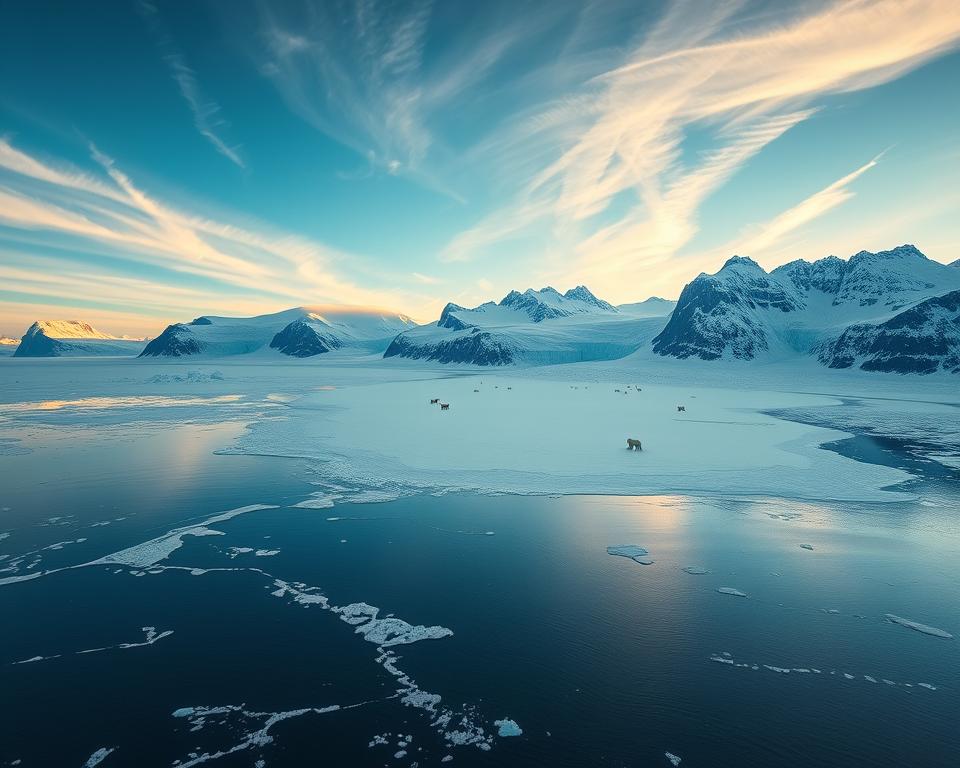
Boat expeditions: experts, safety, and best months
Get on board tours Take a boat trip with National Geographic-Lindblad to learn from scientists and guides. These operations maximize safety and quality. travel experiences.
Summer is ideal for the Midnight Sun and for reducing ice buildup in bays. Book months in advance: logistics are precise and places sell out quickly.
Unique attractions and practical tips
The archipelago is home to the Svalbard Global Seed Vault, visible from the outside as a symbol of food security. You'll also have plenty of daylight for photography and observation.
- Get on to expeditions with top-notch operators for better travel experiences.
- Observe wildlife Arctic with responsible distancing and certified guides.
- Alternate Zodiac landings with hikes in spots chosen by the scientific team.
- It has thermal layers, gear protection, and a fleece lining; it's a destination remote.
- Are adventures They are unique: ice, silence, and living geology.
Wild South Oceania: Tasmania's parks, coasts and gastronomy
Tasmania boasts wild landscapes and a cuisine that celebrates local produce. More than 401,000 hectares of the island are protected, so your travel will be an experience of nature and respect.
Hike to Wineglass Bay in Freycinet and be amazed by pristine coastal landscapes. At Cradle Mountain-Lake St Clair, combine iconic hiking with glacial valleys and curious wombats that appear on the trails.
Visit Port Arthur for history and MONA in Hobart for an experience of art provocative, redefining the city. Try the food Local: seafood, cheeses, chilled wines and world-class whisky.
- Practical tips: Book permits for popular routes and check the weather several times a day.
- Drive along scenic roads and add lesser-known parks for more solitude.
- Alternate stays in farms, cabins and boutique hotels for variety and comfort.
Plan with plenty of time: every valley and inlet deserves long stops. Tasmania is the perfect destination For lovers of nature, design and local products who are looking for a different kind of travel.
Less obvious America: Paraguay and Nicaragua for culture and nature
In the less obvious corners of the Americas, you'll find countries that blend colonial architecture and nature without the crowds. Here, you can travel slowly, connect with communities, and enjoy diverse landscapes at your own pace.
Slow itineraries in Paraguay: city, architecture and parks
Explore the historic city on foot and let yourself be captivated by its plazas and colonial houses. The artisan villages offer ceramics and textiles; the Guarani culture remains very much alive.
Explore Jesuit reductions and parks with dry landscapes and wetlands. Sample local food at markets and steakhouses to better understand the regional cuisine.
Volcanic Nicaragua: Granada, Ometepe and the Pacific Coast
Granada and León blend colonial charm with volcanic viewpoints. Ometepe offers lakeside landscapes dominated by two volcanic mountains and authentic rural life.
In the Pacific you'll find surfing and expansive sunsets; adjust dates according to the rainy season and follow safety recommendations.
- Rhythm: Enjoy the architecture and markets at your leisure.
- Transport: Alternating between bus and private transfers to optimize time.
- Caution: Avoid nighttime travel in rural areas and check local advisories.
Both options They remain affordable emerging destinations, perfect if you're looking for authenticity, local contact and nature without crowds.
Trends 2026: slow tourism, carbon-zero destinations and regenerative tourism
Tourism is being transformed: by 2026, quality will take precedence over quantity. Your next experience can reduce emissions, benefit the community, and leave a positive legacy if you choose wisely.
Travel slowly: less footprint, more links with local communities
Traveling slowly allows you to spend more time in each place, use trains, and walk. This reduces emissions and spreads spending within the local economy.
Advantages: more contact with local communities, authentic experiences and less pressure on infrastructure.
Inspiring models: Queenstown and Hainan with regeneration initiatives
Queenstown promotes electric mobility and renewable energy; Hainan invests in habitat restoration and community engagement. Both are living laboratories for carbon-zero practices and regenerative tourism.
- It incorporates long stays, trains and walks as ways to get around calmly.
- Use AI and open data to design responsible itineraries to less crowded travel destinations.
- Choose options with renewables, zero waste and community guidelines for a positive impact.
Your role It's simple: measure your footprint, consume seasonal products, and support verified projects. The global scene rewards experiences with purpose; think of the world as a garden we all care for.
When to go and how to avoid crowds: the power of shoulder season
The shoulder season It allows you to enjoy yourself with fewer people, better prices and a pleasant climate.
Choosing mid-season travel windows (for example, Dominica outside of holidays, Slovenia in spring/autumn, or Tasmania at the end of the Southern Hemisphere summer) reduces queues and improves your experience. This way you pay less and have access to tours and accommodations with greater availability.
Advantages: Fewer tourists, better service, and more space for leisurely photos.
- Adjust your trip to mid-season windows for pleasant weather and fewer crowds.
- Negotiate rates and get upgrades on hotels and in-demand experiences.
- Go early or visit late: avoid peak hours and improve your photos.
- Choose flexible transportation options to reschedule due to weather.
- Check school calendars and local holidays before booking.
- Bring layers and a plan B: the shoulder brings variable but photogenic weather.
- Prioritize parks and nature trails on weekdays; cities on quiet weekends.
- Book with flexible cancellation and activate fare alerts.
- Add "wildcard" days to improvise according to local flow.
- It's the cleanest way to get to know a destination without rushing or queuing.
How to choose and plan your emerging travel destinations
With clear criteria, you can transform a good trip into a memorable experience. Start by defining priorities: nature, culture, accessibility, and a realistic budget.
Combine nature, culture and accessibility according to your time and budget
Compare new routes —for example Newark–Dominica (United, 2025) or United via Tokyo to Mongolia (2025)— to see how much time you save and how you reduce your footprint.
Design travel experiences with longer stays in fewer places. This way you can explore in greater depth and spend less on travel.
Group trips, customized itineraries, and support for local communities
Consider small groups to save money and increase safety in remote areas. If you want zero stress, book customized itineraries with expert operators like NUBA.
- Direct purchase and hires local guides to support local communities.
- Evaluate evacuation insurance and visa requirements before booking.
- Create a budget by chapters: transportation, accommodation, activities, and margin for unforeseen expenses.
Conclusion
The 2026 map points to places that combine new access points, heritage, and untouched nature. Take advantage of routes like Newark–Dominica or connections to Mongolia, and look for sustainable initiatives in regions like Sardinia and Quito.
If you plan ahead and choose local suppliers, your experience It will be richer and have less impact. It combines city and nature for a balanced and authentic trip.
For those who love the travelNow there are options to escape before the big boom. You, as travelers, you can choose a destination that transforms you and supports communities.
He world It offers hidden gems ready to surprise you. Stay curious, travel with intention, and explore less obvious routes so that the quality of your journeys takes precedence over haste.