Advertisements
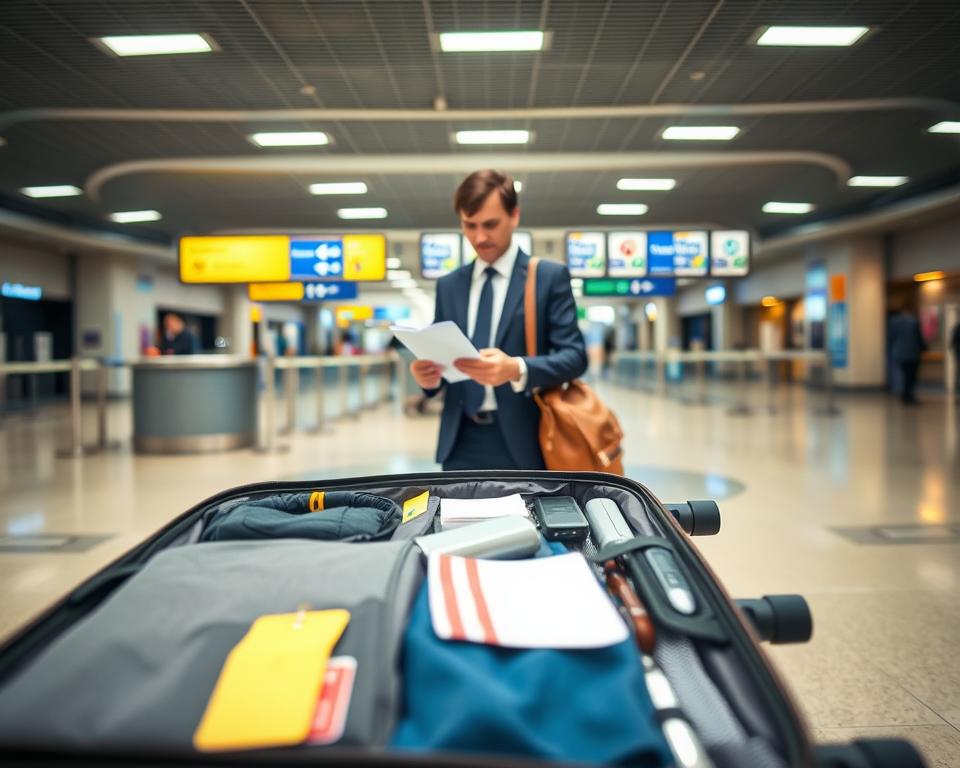
Prepare your journey Clarity changes everything. When you organize lists of clothes, medicines, and papers, you avoid rushing and forgetting things. This gives you more peace and trust from the start.
Researching local rules, weather, and schedules helps you adjust your expectations. Packing light and adding comfort items, such as a neck pillow or herbal tea, improves your well-being on the trail.
Practical adviceChoosing convenient times, arriving early, and using Global Entry or TSA PreCheck when possible reduces friction. Maintain a flexible mindset to turn unexpected events into part of the adventure.
This guide provides concrete steps tailored to different people and lifestyles. Activate small habits and reminders to make your experience more organized and calmer.
Intention and mindset: Start today to reduce stress and anxiety while traveling.
Define how you want to feel During the transfer moments, change your experience from the start.
Before you leave, write a brief intention on your phone: what your priorities are and how you want to take care of your mood. This note reminds you of the joy you seek and helps you reduce stress by making quick decisions.
Practice Alice Boyes' three questions when anxiety arises:
"What's the worst that could happen? The best? What's the most realistic?"
Use the answers to decide on useful actions, not to feed fear.
Use waiting times as rituals: a short read, a podcast, or some deep breathing can restore calm in just a few minutes. Arriving with plenty of time (2 hours for domestic flights, 3 for international) reduces friction and allows you to address problems more effectively.
- Repeat 60-second micro-breaks to reorient body and mind.
- Choose schedules according to your life and energy; avoid early mornings that are exhausting.
- Choose an anchor word and use it when the world surprises you.
The goal is not to deny difficulties; it's to give them shape and agency. In this way, your experience gains calm and purpose, even though embargo, there may be unforeseen events.
Advance planning makes a big difference
Small pre-trip routines make all the difference between a chaotic and a smooth journey. Establishing preparation habits saves you from rushing and improves your rest before departure.
Master lists and last-minute verification
Make a list Teacher per season and per destination. Includes clothing, medicine, documents, and a suitcase with extra space.
Prepare a basic kit that's always ready: toiletries, chargers, and an adapter. Check your clothes and suitcase the night before to free up your energy at departure time.
Schedule and real time
Leave with plenty of time: 2 hours for domestic flights and 3 for international ones. Avoid early morning flights if they interfere with your sleep; choosing the right time is a strategy that conserves your energy.
Documents, insurance and facilities
Check what your cards cover and save policies and phone numbers on your mobile. Carry a small amount of cash for tips and check airline and baggage rules.
- Apply for Global Entry or TSA PreCheck if you travel frequently.
- Check the climate and customs of the destination: that information is a fountain of tranquility.
Pack your suitcase calmly: less stuff, more peace on the road
Choosing the essentials for your suitcase It gives you more freedom in the journeyPacking with intention reduces weight and helps make your experience more relaxed.
Smart luggage: layers and a quick list
Pack a capsule suitcase with 3–4 mix-and-match outfits. Use clothes Multifunctional and layered to adapt to changing weather conditions without carrying extra items.
- Pack by cubes: you'll find things quickly and save time.
- Separate liquids and technology into an accessible pocket for streamlined checks.
- Wear comfortable and versatile shoes; this frees up space and improves your movement.
Personal comfort that can help
Includes a cervical pillow, eye mask, and earplugs. Add herbal teas or oils with subtle aromas: can help to relax on the journey.
Keep a mini makeup bag ready with a toothbrush, mini toothpaste, and lip balm. Download offline playlists; music transforms your journey and helps you find peace.
If you want more practical ideas, check these out. Tips for doing the Camino and adapt the shape of your luggage to your pace.
Self-care on the road: simple strategies to stay calm
Taking care of your body and mind along the way improves every minute of the journey. Simple habits maintain your energy and reduce anxiety when the days get longer.
Hydration, food and rest
Ensures basic well-beingSip your drinks, eat protein with fiber, and get enough sleep. These measures reduce physiological stress and stabilize your emotions.
Breathing and brief attention
Practice 4-6 breathing exercises for 60-120 seconds to lower your stress level. Add gentle stretches; these small movements help during demanding moments.
Dizziness and vertigo: prevention and limits
If you are prone to motion sickness, consult your doctor before traveling. Meclizine or dimenhydrinate could be an option that is right for you.
- Avoid alcohol and excessive caffeine before and during travel.
- Choose a stable seat (center of the wing or center of the ship) and fix your gaze on the horizon.
- Set limits: breaks every 2-3 hours, light snacks and water make a big difference.
“Breathe, locate five things you see and return to your body: 60 seconds of mindfulness restores your mood.”
Stress-free journeys depending on the mode of transport
Every mode of transport requires simple adjustments to reduce stress and maintain calm. Here you'll find practical tips for cars, planes, and trains that you can implement today.
Mindful driving
When driving, use navigation apps that show roadworks and traffic in real time. This way you can choose alternative routes and save time.
Keep the interior tidy like fountain For calm: a clear dashboard and gentle aromas help sensitive people.
Ergonomics and assistance
Maintain good posture: back straight and arms slightly bent. Adjust mirrors to avoid straining your neck.
Activate ADAS assistance features (adaptive cruise control, lane keeping assist, sensors). Your ability to focus improves when your body is comfortable and technology is assisting you.
Plane with less tension
Confirm baggage rules and choose a stable seat in the cabin. Allow extra time for your arrival at the airport: 2 hours for domestic flights and 3 hours for international flights.
A supportive seat and organized hand luggage reduce stress during boarding.
Train and connections
Use the waiting time to take short breaths, listen to light music, or enjoy a motivating podcast. These micro-habits lower your stress level and help you feel more present.
Set breaks and limits for the day: stretch, hydrate, and follow a playlist that helps manage tension while traveling.
- When driving, plan with apps that show accidents in real time.
- Keep the interior tidy and use gentle aromas as a source of calm.
- Activate ADAS and adjust ergonomics to improve your ability to concentrate.
- Calculate your arrival time at the airport and confirm your baggage allowance.
- On the train, use the wait for music, podcasts, and short mindfulness practices.
Small habits that make a big difference to your mood and well-being
A couple of simple habits can transform your commute. They're easy actions that improve your mood and your overall travel experience.
Music and ASMR for calmness
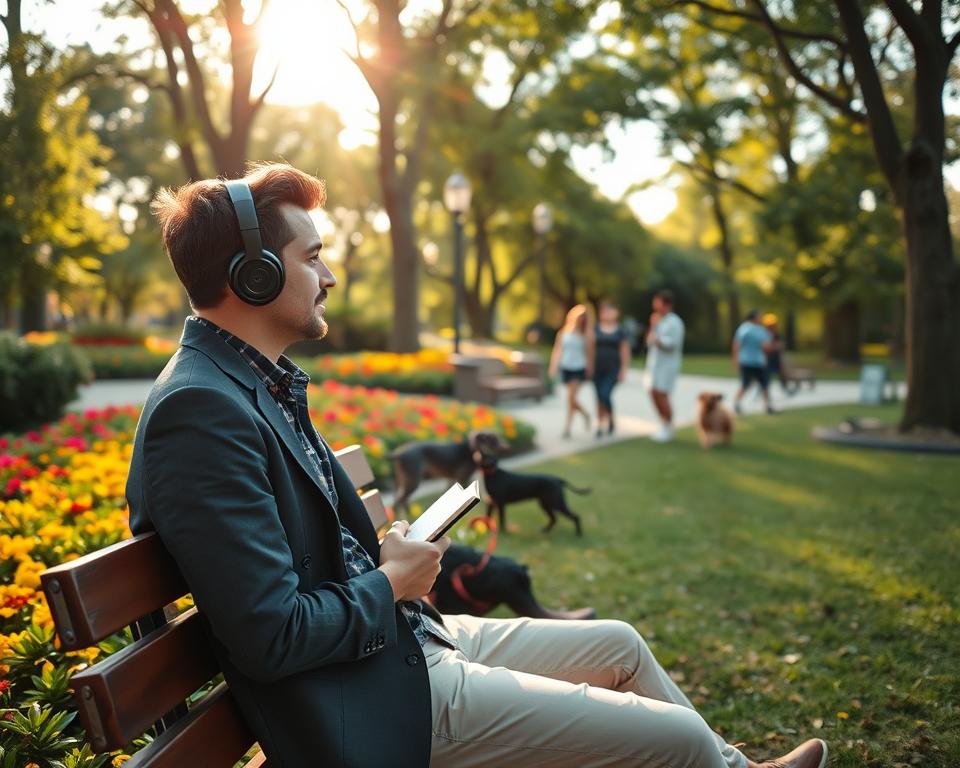
Prepare relaxing playlists Or try ASMR on flights and while waiting. These sounds reduce arousal and can help to bring you back to the present.
Use channels like Headspace, Jason Stephenson, or Michael Sealey for short guides. Press play when boarding, after takeoff, or upon entering the hotel to create an anchor moment.
Balanced snacks and minimal routines
Pack snacks with protein and fiber to keep your energy levels steady. A handful of nuts, Greek yogurt, or whole-grain bars will keep you going between meals.
- Design three small habits: water, three breaths and a stretch.
- Alternate light podcasts and ambient music depending on the segment.
- Include something that brings you joy: your favorite tea, a photo, or a short note.
“Music and a few mindfulness exercises multiply the joy of traveling.”
Conclusion
A quick check-up before you leave can transform your experience and reduce stress.
Plan ahead, use master lists, and choose convenient times. Confirm cards and benefits like Global Entry or TSA PreCheck to expedite your airport experience.
Review the essentials: light suitcase, versatile clothing, documents and time allowance (2-3 hours for flights).
Take care of your well-being: water, food, sleep, breathing, and breaks. If you experience dizziness, consult a doctor and consider medication such as meclizine.
Adapt your preparation to your mode of transport—car, plane, or train—and use organization, ergonomics, and technological aids. With this simple routine, you'll see how it makes a big difference to your travels.